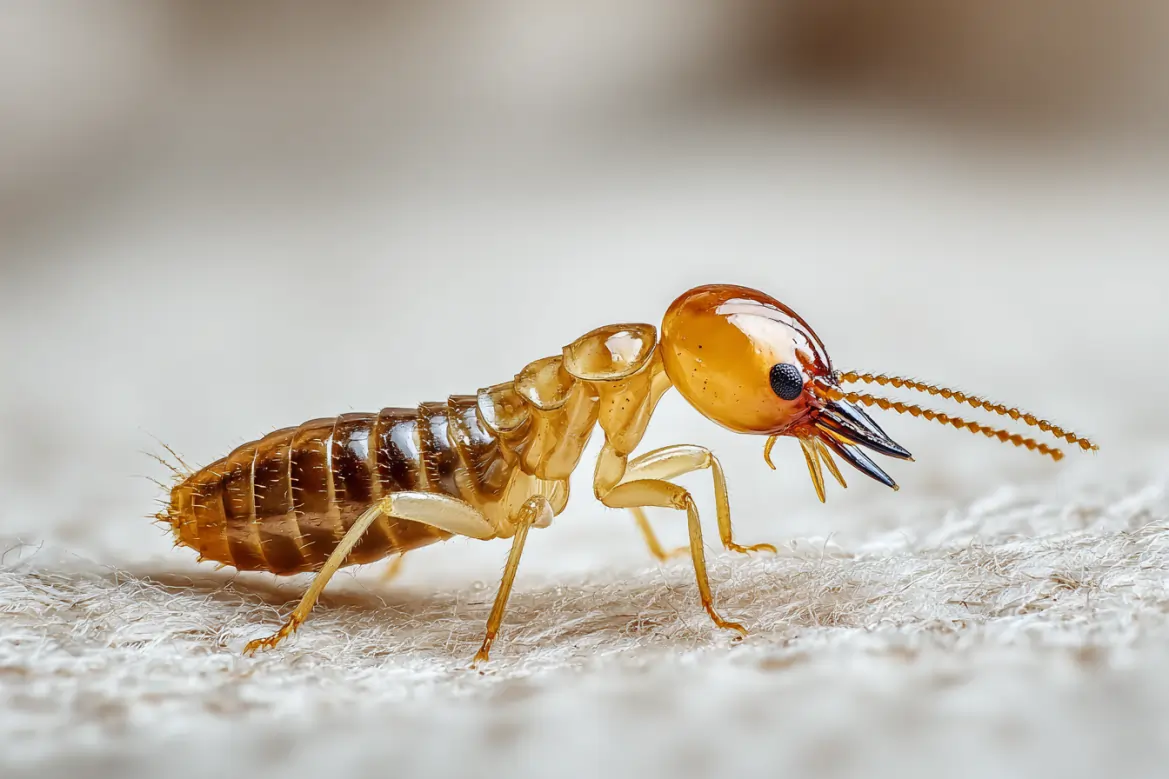
Understanding Pest Removal in Davie FL: What Happens During a Professional Termite Inspection Process

Sanitation worker in protective suit is disinfecting office desk before the reopening of the business Sanitation worker in protective suit is disinfecting office desk before the reopening of the business. Desktop PC on the desk. Post Coronavirus Covid-19 concept. pest control stock pictures, royalty-free photos & images

A professional termite inspection is a detailed process aimed at identifying any signs of termite activity, assessing potential damage, and preventing future infestations. Understanding what happens during the inspection process can help you prepare better and ensure your property is protected from these destructive pests.

Initial Assessment and Consultation

The inspection typically begins with an initial consultation where the pest control specialist gathers information about your property. This may include:
– The property’s age and construction type (e.g., wood frame, concrete slab).
– Any history of termite infestations or pest control treatments.
– Areas of concern identified by the homeowner (e.g., unexplained damages or visible mud tubes).

This step allows the inspector to focus on high-risk areas while ensuring a comprehensive evaluation.

Interior Inspection

The interior of your home is thoroughly examined for signs of termite activity. Common areas inspected include:
Baseboards and Walls: Inspectors check for bubbling paint, tiny holes, or buckling wood that may indicate termite tunneling beneath the surface.
Windows and Doors: These areas are prone to moisture buildup, which attracts termites. Professionals inspect frames for damage or mud tubes.
Attics: Termites often invade attics due to exposed wooden beams and insulation materials that retain moisture. The inspector will search for droppings (frass), wings, or tunnels near beams.

Exterior Inspection

The exterior portion of your property is equally important during a termite inspection. Key components checked include:
Foundation and Crawl Spaces: Termites frequently utilize cracks in foundations as entry points. Inspectors also examine crawl spaces for mud tubes or decaying wood close to soil contact.
Decks and Porches: Wooden structures attached to homes are often targeted by termites if they have direct contact with soil or excess moisture exposure.
Landscaping Elements: Trees, mulched areas, dead stumps, or wooden fences near the property are evaluated as potential breeding grounds or travel routes for termites.

Use of Specialized Tools

Tool Purpose Example Use Case
Moisture Meter Detects high humidity levels in walls Identifying damp wood attractive to termites.
Thermal Imaging Cameras Reveals heat patterns linked to activity Spotting colonies behind walls/ceilings.
Acoustic Emission Devices Amplifies sounds made by feeding termites Confirming active infestations in beams.

These tools allow inspectors to assess every corner of your home with precision.

Report Findings & Recommendations

Once the inspection is complete, the pest control specialist provides a detailed report summarizing findings such as: – Areas affected by termites. – Types of damage detected. – Risk factors contributing to infestation.

The inspector will also provide recommendations on treatment options if required (e.g., chemical barriers, bait systems) and preventive measures (e.g., reducing moisture sources).

Important Insights from an Exterminator Davie FL

A professional termite inspection involves evaluating both interior and exterior areas using specialized equipment while identifying risks throughout the process. Knowing what happens at each step ensures you’re informed about how best to protect your home from costly damage caused by termites over time.

How to Properly Prepare Your Home for Pest Control Services Davie FL

Preparing your home for a professional termite inspection ensures the process is efficient and that inspectors can thoroughly examine all potential problem areas. A little preparation on your part goes a long way in helping the inspector identify signs of termite activity or damage. Below are steps and tips to help you get your home ready.

Clear Access to Key Areas

  • Remove obstructions around the foundation: Inspectors will need access to the foundation of your home, as termites often enter through cracks or gaps at ground level. Move any items such as flower pots, firewood, or furniture that may block visibility around the perimeter.
  • Clear crawl spaces: If your property has a crawl space, ensure it is accessible by removing debris or stored items. These areas are prone to termite infestations and need close inspection.
  • Move household items away from walls: Inside your home, shift furniture, boxes, or other objects at least 2 feet away from walls so inspectors can examine baseboards and corners for termite activity.

Remove Moisture Sources

  1. Fix leaking pipes, faucets, or HVAC system drainage issues before the inspection.
  2. Ensure gutters are clean and functioning properly to divert water away from the foundation walls.
  3. Check for pooling water near air conditioning units and redirect it as needed.

Declutter Your Home

  • Dispose of unnecessary cardboard boxes since they attract termites (termites feed on cellulose found in paper-based materials).
  • Organize stored items on shelves instead of directly on floors when possible.

This decluttering allows inspectors easier access while creating fewer hiding spots for pests.

Provide Documentation or Information

  • Share documentation about prior services with the inspector so they can understand historical concerns.
  • Inform them if you’ve noticed signs like visible mud tubes along walls or discarded wings near windowsills.

Pet Precautions

  • Secure pets in designated rooms away from treated areas during checks.
  • Let inspectors know about any pets so they can proceed accordingly without causing distress to animals.

Summary Table: Key Steps for Inspection Preparation

Task Action Items Importance
Clear Access Move furniture/items 2 feet from walls; clear crawl spaces Ensures thorough examination of structural & hidden spaces
Reduce Moisture Fix leaks; clean gutters; remove pooling water Deters termites that prefer damp conditions
Declutter Remove cardboard boxes; organize storage areas Prevents interference with inspection process
Provide Documentation Share pest control history & report recent infestation signs Helps inspector identify recurring problems
Prepare Pets Keep pets secured during inspection Protects pets while minimizing disruption

By following these steps carefully, you’ll create an environment conducive to a thorough inspection while making it easier for professionals to detect early signs of an infestation if present.

How to Properly Prepare Your Home for a Thorough Termite Inspection

Proper preparation of your home is an essential step to ensure a thorough and effective termite inspection. By creating the right conditions, a pest control specialist can easily inspect all areas of your property, identify potential issues, and suggest necessary treatments. Here’s a detailed guide on how to prepare your home before a termite inspection.

1. Clear Access Around the Home’s Perimeter

Inspectors need access to the foundation and exterior walls of your home since termites often enter through these areas.

  • Remove any items such as potted plants, firewood, bicycles, or furniture that may block the inspector’s access to the perimeter.
  • Trim bushes or shrubs that are too close to the house to allow better visibility.
  • Look for areas where soil meets wood (e.g., deck supports or fence posts) and ensure these spots are easily accessible.

2. Declutter Interior Spaces

Termite inspections involve checking walls, baseboards, and corners of every room in your house. This means clutter-free spaces are key for a comprehensive inspection.

  • Move furniture slightly away from walls so inspectors can examine baseboards and wall joints for signs of termite damage or mud tubes.
  • Avoid storing items like boxes against walls in basements, garages, or crawl spaces as they can obscure signs of termites.
  • Ensure closets containing plumbing lines (e.g., bathrooms or kitchens) are organized so that inspectors can examine these critical areas thoroughly.

3. Provide Access to Crawl Spaces and Attics

Crawl spaces and attics are common entry points for termites due to their hidden nature.

  • Unlock attic hatches or access panels before the inspector arrives.
  • Ensure that crawl spaces beneath your home are free from debris or obstructions so they can be safely accessed.
  • If insulation is present in attics or crawl spaces, avoid piling objects on it as this may make it difficult for inspectors to evaluate potential termite activity.
Area Preparation Checklist
Exterior Perimeter Remove firewood & clutter; trim vegetation
Interior Baseboards Move furniture & declutter nearby spaces
Attic/Crawl Space Access Unlock hatches; clear debris

4. Address Moisture-Prone Areas

Termites thrive in moist environments, making water-prone zones critical points of inspection.

  • Fix any leaky pipes or faucets before the inspection takes place.
  • Ensure no standing water exists near foundations (e.g., in poorly draining gutters).
  • Keep bathrooms and kitchens dry by wiping down surfaces after use.

5. Inform Your Inspector About Previous Termite Activity

  • Share relevant documents with the inspector regarding past treatments.
  • Point out areas where damage occurred previously so these spots receive extra attention during the examination process.

Preparing properly ensures that every corner of your property is scrutinized during an inspection while saving time for both you and the inspector. Following these steps will help identify termite issues early—potentially preventing extensive structural damage moving forward.

Benefits of Termite Bonds and Inspection Letters with Davie FL Pest Control

Termite bonds and inspection letters are essential components of a comprehensive termite management strategy. Whether you are a homeowner, property manager, or prospective buyer, understanding these tools can help protect your investment, ensure regulatory compliance, and provide peace of mind. Below is an in-depth look at termite bonds and inspection letters, their benefits, and why they matter.

What Are Termite Bonds?

A termite bond is a formal agreement between a property owner and a pest control company. It typically includes periodic inspections, treatment coverage if termites are detected, and guarantees for any damage caused by termites during the contract term. Think of it as an extended warranty for your property’s protection against these destructive pests.

Key Features of Termite Bonds:Regular Inspections: Scheduled annual or semi-annual termite checks. – Treatment Services: Coverage for preventative treatments or active infestations. – Damage Repair Guarantees: Some contracts include clauses to repair structural damage caused by termites. – Transferability: Many termite bonds can be transferred to new owners during the sale of a property.

Benefits of Termite Bonds

  1. Proactive Protection
    A termite bond ensures that your home is regularly inspected for signs of termites. Early detection prevents extensive damage and expensive repairs.
  2. Cost Savings
    With treatment costs covered under the bond, homeowners save money on unexpected out-of-pocket expenses if termites are found.
  3. Increased Property Value
    Homes with active termite bonds are often more attractive to buyers since they demonstrate that the property has been well-maintained and monitored consistently.
  4. Compliance with Regulations
    For commercial properties or in certain jurisdictions, maintaining a termite bond may be required to meet local codes or industry standards.

What Are Termite Inspection Letters?

A termite inspection letter is an official document provided by licensed pest control companies after conducting a thorough evaluation of the property. Often referred to as a Wood-Destroying Insect Report (WDIR), this letter details any current or past evidence of termite activity or damage.

When Are Inspection Letters Needed? – During real estate transactions – To fulfill lender requirements (e.g., FHA or VA loans) – For legal purposes related to disputes over property conditions – As part of routine inspections for long-term pest management

How Termite Bonds and Inspection Letters Benefit Homeowners

Benefit Termite Bond Inspection Letter
Preventative Coverage Yes No
Proof for Real Estate Sale Optional Required
Damage Repair Assurance Often included Not applicable
Cost Annual fee One-time fee

Why Both Are Important

While termite bonds focus on ongoing prevention and maintenance, inspection letters provide necessary documentation that certifies the current condition of a property regarding wood-destroying insects like termites. When used together, they create a robust framework that ensures homeowners remain protected legally and financially while managing one of the most persistent threats to their properties.

By investing in both services, you can safeguard your assets from costly repairs while also enhancing trust when selling or buying real estate. This proactive approach ultimately saves time, money, and stress related to future infestations.

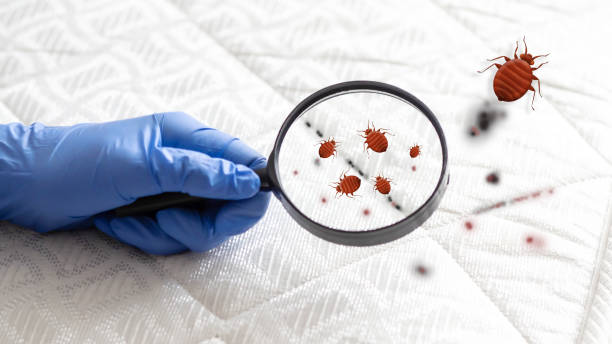
The spread of bedbugs on the bed. Black and bloody spots of bedbugs on the bed. Through a magnifying glass, a hand examines a mattress with insects. A type of domestic blood-sucking insect. The spread of bedbugs on the bed. Black and bloody spots of bedbugs on the bed. Through a magnifying glass, a hand examines a mattress with insects. A type of domestic blood-sucking insect. pest control stock pictures, royalty-free photos & images

The Differences Between Residential and Commercial Termite Inspections Explained

Termite inspections are a critical step in safeguarding properties from the extensive damage that termites can cause. However, there are distinct differences between residential and commercial termite inspections due to variations in property structure, usage, and risk factors. Understanding these differences is key to ensuring the right measures are taken for effective termite management.

Scope of Inspection

  • Residential Termite Inspections
    Residential inspections focus primarily on single-family homes, duplexes, or smaller multi-unit dwellings. Inspectors assess areas like:
  • Crawl spaces
  • Basements
  • Attics
  • Wooden structures such as floorboards, beams, and furniture

The process tends to be more straightforward since residential properties often have simpler layouts compared to commercial buildings.

  • Commercial Termite Inspections
    Commercial inspections encompass larger and more complex structures such as office buildings, warehouses, retail spaces, and industrial facilities. These inspections require a broader scope due to:
  • Size of the property
  • Accessibility challenges in large-scale operations (e.g., storage areas, mechanical rooms)
  • Specialized materials used in construction

Frequency Requirements

  • Residential properties typically require periodic termite inspections—commonly suggested annually—depending on geographic location and risk level. Homeowners may schedule additional checks if they notice signs of infestation like mud tubes or damaged wood.
  • Restaurants need regular pest control compliance under health codes.
  • Warehouses storing paper goods or wooden materials face higher risks of infestation.

Regulatory Compliance

Property Type Regulatory Focus Example Requirements
Residential Protecting structural integrity for private owners State-mandated seller disclosures
Commercial Meeting industry-specific pest control standards Health department certifications for businesses

Treatment Approaches after Inspection

  • For Residences: Solutions tend to be homeowner-friendly with minimal disruption. Treatments include localized spot treatments or preventative measures like liquid barriers around the home perimeter.
  • For Commercial Spaces: Treatments must account for operational continuity and safety regulations. Larger treatments like tent fumigation or baiting systems might be necessary without interfering with business operations.

Key Takeaways

Understanding the differences between residential and commercial termite inspections ensures that property owners take appropriate actions tailored to their specific needs. While both types of inspections aim to identify infestations early, the scale of assessment, regulatory requirements, frequency expectations, and treatment options can vary significantly based on property type. Engaging qualified professionals who specialize in either residential or commercial settings is essential for effective protection against these destructive pests.

Key Reasons to Schedule a Termite Inspection with a Pest Control Company in Davie FL

Early Detection of Infestations

One of the primary advantages of regular termite inspections is early detection. Termites can work silently and undetected for years, compromising the integrity of your home or commercial building. Professional inspections help identify:
Signs of active infestations, such as mud tubes, discarded wings, or frass (termite droppings).
Damage to wooden structures, including hollowed-out wood or blistered surfaces.
Areas prone to infestation, like moisture-damaged wood or areas with poor ventilation.

Early detection ensures that treatment begins promptly, reducing repair costs and preventing further damage.

Protecting Your Investment

Your property is likely one of your most significant investments. Scheduling regular termite inspections helps preserve its value by ensuring:
– The structural stability of the building remains intact.
– Future buyers do not find evidence of untreated termite activity during pre-purchase inspections.

By addressing potential problems early, you maintain your home’s marketability and avoid costly surprises when selling.

Cost Savings on Repairs

Scenario Cost Impact
Minor infestation detected early Costs limited to small-scale treatments and repairs
Severe undiagnosed infestation Extensive structural repairs and expensive treatments required

The cost savings of routine inspections often outweigh the expenses associated with major damage.

Compliance with Insurance and Legal Requirements

For some properties, particularly commercial buildings or rentals, termite inspections may be mandatory to comply with local regulations or insurance policies. Staying proactive in scheduling these inspections ensures:
– Adherence to legal requirements for pest control documentation. – Maintenance of valid insurance coverage for damages caused by termites.

Skipping professional inspections could lead to penalties or voided claims in cases where termites cause damage.

Peace of Mind for Property Owners

Knowing that your property has been thoroughly inspected provides peace of mind that it’s protected from hidden threats posed by termites. A professional inspector’s report highlights both existing risks and proactive measures you can take to prevent future infestations.

When Should You Schedule an Inspection?

To maximize protection against termites, consider these general recommendations: – Annually: Most experts suggest yearly inspections as a preventative measure. – Before Buying or Selling Property: Ensure no hidden infestations exist during real estate transactions. – Following Renovations: Construction work can disturb soil and attract termites. – If You Notice Warning Signs: Any visible signs of termites should prompt an immediate call for inspection services.

By prioritizing regular checks, you safeguard both your property and your financial security from these destructive pests.

What Causes Termite Infestations and How These Pests Spread in Your Home

Termites are one of the most destructive pests a homeowner can encounter. These silent invaders work round the clock, causing significant damage to the structural integrity of homes before their presence is even detected. Understanding what causes termite infestations and how these pests spread through your home is crucial for prevention and effective management.

Common Causes of Termite Infestations

  1. Termites thrive in damp environments. Leaking pipes, poor drainage, or excessive humidity near your foundation create ideal conditions for them to flourish.
  2. Wooden structures that come into direct contact with soil act as a bridge for termites to access your home. Decks, fences, and even wooden siding are common culprits.
  3. Small cracks or gaps in your home’s foundation can serve as entry points for subterranean termites seeking food sources within your walls or floors.
  4. Overgrown shrubs, mulch beds too close to the foundation, or dead tree stumps near your property provide food and shelter for termites.
  5. Termites often infest areas with poor ventilation and stored wood materials like cardboard boxes, firewood, or construction debris.

How Termites Spread Within Your Home

  • Foraging Behavior: Worker termites continuously search for new food sources by creating underground tunnels or above-ground mud tubes that connect their colony to wood materials inside your home.
  • Hidden Entry Points: Termites use tiny crevices in walls, around utility lines, under flooring, and through damaged wood to remain undetected while expanding their reach.
  • Colony Expansion: Some termite species establish satellite colonies when conditions are favorable (temperature, humidity), further accelerating the infestation process across multiple areas of the property.
Method of Spread Description Example
Tunneling Subterranean termites build tunnels Mud tubes along foundations
Flying (Swarming) Reproductive alates leave existing colonies Winged termites seen indoors
Wood-to-Wood Contact Direct spread through touching wooden items Furniture connected to infested beams

Ways to Prevent Termite Infestations

  • Repair water leaks promptly to reduce moisture levels.
  • Ensure proper drainage around foundations by redirecting rainwater away from the house.
  • Use treated wood for exterior structures like decks or fences.
  • Maintain at least an 18-inch gap between soil and wooden portions of your home.
  • Regularly inspect crawl spaces, attics, and basements for signs of termite activity.
  • Keep firewood stacks far from the exterior walls of the house.

By addressing these preventative measures proactively and understanding how these pests operate within a home environment, you can significantly reduce the risk of termite infestations while protecting both your investment and peace of mind from costly damages caused over time by these persistent invaders.

Important Questions to Ask Your Pest Control Specialist During a Termite Inspection

When it comes to protecting your home or business from the costly damage termites can cause, asking the right questions during a termite inspection is critical. A professional inspection provides you with insights into your property’s current condition and helps form a strategy for long-term termite prevention. Below are some important questions to discuss with your pest control specialist to ensure you’re fully informed.

1. What Types of Termites Are Common in My Area?

Understanding the specific types of termites that are prevalent in your region is crucial. Different species, such as drywood termites, subterranean termites, or dampwood termites, have unique behaviors and habitat preferences. This knowledge helps you take proactive steps tailored to the type of termite you’re most likely to encounter.

2. Are There Any Visible Signs of Termite Activity on My Property?

Ask for a detailed explanation of any evidence they find during the inspection. Signs may include:
– Mud tubes near foundations or walls
– Hollow-sounding wood structures
– Discarded wings around doors or windows – Frass (termite droppings) that resemble sawdust

If no signs are visible, inquire about areas that may be vulnerable to future infestations.

3. What Areas of My Home Are Most at Risk?

Certain parts of your property may be more susceptible due to factors like moisture levels or wood-to-soil contact. Common risk areas include:
– Crawlspaces and basements
– Wooden decks and fences
– Areas near plumbing leaks or roof damage

Discussing these risk zones with the inspector helps you prioritize repairs or preventive measures.

4. How Severe Is the Problem If Termites Are Found?

If termite activity is identified, it’s essential to understand how widespread it is. The specialist should provide clarity on whether it’s an isolated issue or a more extensive infestation requiring immediate intervention.

Severity Level Description Next Steps
Low Minor activity in one small area Spot treatment and preventive maintenance
Moderate Multiple areas with active signs Targeted treatments and ongoing monitoring
High Widespread infestation throughout Comprehensive treatment plan required

5. What Treatment Options Do You Recommend?

Based on their findings, ask about available treatment solutions for addressing termite issues effectively. Options may include baiting systems, liquid termiticides, fumigation, or heat treatments depending on the severity of the infestation.

6. How Can I Prevent Future Infestations?

Prevention is key when dealing with termites. Your pest control specialist should provide specific recommendations for safeguarding your property:
– Reduce moisture levels by repairing plumbing leaks quickly. – Ensure proper ventilation in high-humidity spaces such as attics and crawlspaces. – Seal cracks in foundations that may provide entry points. – Maintain a proper gap between soil and wooden structures.

7. How Often Should I Schedule Inspections?

Regular inspections are vital for keeping termites at bay before they cause significant damage. The frequency often depends on factors such as location and construction materials used in your home but typically ranges from annually to bi-annually.

8. Do You Offer Warranties or Termite Bonds?

Finally, inquire about warranties or termite bonds available through their services as these can guarantee additional protection over time while potentially reducing future costs if issues arise again.

By asking these critical questions during your termite inspection process, you’ll not only gain better awareness of potential risks but also ensure you’re making informed decisions regarding treatment plans and preventative measures tailored specifically for your property’s needs.


Effective Pest Control Solutions with an Exterminator Davie FL: Fumigation and Termite Stations Explained

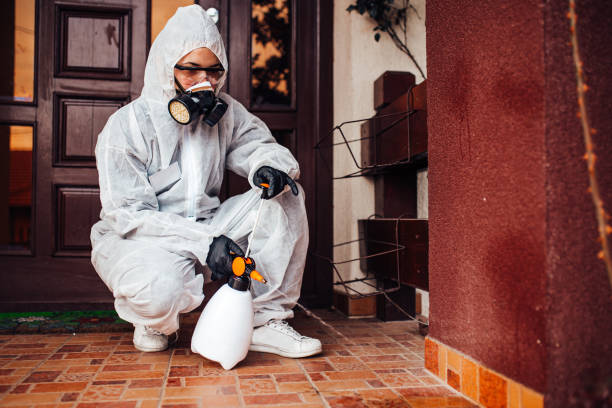
Exterminator working Man in protective suit disinfecting and spraying every room in the building pest control stock pictures, royalty-free photos & images

Termites are among the most destructive pests homeowners face, causing billions of dollars in structural damage worldwide every year. To effectively combat these silent destroyers, understanding the two primary methods of termite management—fumigation and termite stations—is essential. This guide explores the purpose, processes, and benefits of each approach to equip homeowners with the knowledge they need for long-term pest control.

Understanding Fumigation and Pest Control Services in Davie FL

Fumigation is a pest control method designed to eliminate termites (and other pests) by filling an entire structure with fumigant gases or chemicals that penetrate hard-to-reach areas. It is commonly used for severe infestations where localized treatments would be insufficient.

Benefits of Fumigation:

  • Comprehensive Treatment: Targets termites throughout the entire structure, including hidden colonies within walls, floors, and foundations.
  • Fast and Effective: Typically eliminates termites in 1–3 days.
  • Ideal for Severe Infestations: Especially useful when the infestation has spread throughout a large area.

Limitations of Fumigation:

  • No Residual Protection: Once fumigation is complete, there’s no ongoing defense against future infestations.
  • Disruption: Homeowners must vacate their property during treatment.
  • Costly Process: Generally more expensive than preventative measures like baiting systems.

What Are Termite Stations?

Termite stations, also known as termite bait systems, rely on strategically placed bait stations around your property to monitor and eliminate termite activity over time. These systems act both as preventative measures and long-term solutions for managing termites.

How Termite Stations Work:

  1. Bait stations are installed underground near areas prone to termite activity (e.g., close to foundations or wooden structures).
  2. The bait inside contains cellulose (a primary component in wood) combined with a slow-acting termiticide that disrupts termite growth or reproduction.
  3. Worker termites discover the bait while foraging and carry it back to their colony, ultimately contaminating others and eliminating the infestation over time.

Advantages of Termite Stations:

  • Long-Term Solution: Provides ongoing protection and monitoring for potential new infestations.
  • Targeted Approach: Reduces chemical exposure by focusing only on areas where termites are active.
  • Less Disruptive: Does not require homeowners to leave their homes during installation or maintenance.

Potential Drawbacks:

Fumigation Termite Stations
No long-term prevention Slower results compared to fumigation
Higher upfront cost Requires regular monitoring & maintenance
Invasive process requiring temporary relocation Less suitable for severe infestations

Choosing Between Fumigation and Termite Stations

  • Opt for fumigation if you’re dealing with a widespread infestation requiring immediate elimination.
  • Choose termite stations if you’re looking for a preventative solution that offers continuous protection against future infestations.

For many homeowners, combining both methods may provide optimal results—a thorough initial fumigation followed by installing termite stations can eliminate current colonies while preventing new ones from forming.

Understanding the unique advantages of each method will allow you to create an effective long-term plan tailored to your home’s needs.

When to Choose Davie FL Pest Control for Effective Termite Elimination

Termites are destructive pests that can cause extensive damage to homes and structures if left unchecked. While there are numerous methods to manage and eliminate termites, fumigation is often regarded as one of the most effective solutions in specific situations. Understanding when fumigation is the best option requires an evaluation of the infestation size, type of termite species, and structural vulnerabilities. Below, we’ll explore scenarios where fumigation becomes essential and how it can provide comprehensive termite elimination.

Indicators That Fumigation Is Necessary

  • Severe Infestations: If a termite infestation has spread throughout large portions of your home or building and is no longer isolated to one area, fumigation offers complete coverage.
  • Drywood Termites: Unlike subterranean termites, which live underground and may be treated with soil-based interventions, drywood termites infest wood directly. Fumigation effectively penetrates wooden structures to eliminate these colonies.
  • Hidden or Inaccessible Nesting Sites: When termite colonies are located in hard-to-reach areas such as wall voids, attics, or beneath flooring, fumigation ensures all termites are eradicated without requiring extensive demolition.
  • Failed Conventional Treatments: If traditional localized treatments such as liquid termiticides or baiting systems have not resolved the problem fully, fumigation may be necessary for thorough removal.

Benefits of Fumigation

  1. The gas used in the process penetrates every nook and cranny of a structure—ensuring no termite is left behind.
  2. It eliminates adult termites as well as eggs and nymphs in a single treatment.
  3. Unlike some long-term solutions that require ongoing maintenance (e.g., baiting stations), fumigation usually takes only 1–3 days to complete.
  4. By addressing severe infestations completely at once, fumigation reduces potential future damage repair costs that might arise from lingering termites.

Limitations to Consider

Limitation Description
Temporary Effectiveness Does not provide residual protection against future infestations unless paired with preventative measures like barrier treatments or monitoring systems.
Cost Typically more expensive upfront compared to localized treatment methods due to specialized equipment and expertise required.
Temporary Relocation Homeowners must vacate their property during treatment due to safety concerns related to gas exposure.

Preparing for Fumigation

  1. Consult a Licensed Pest Control Professional: Only certified professionals should handle this method due to its complexity.
  2. Seal Food Items: Remove or double-bag all consumables with special bags provided by pest control experts.
  3. Vacate Property Temporarily: Prepare for temporary relocation during the process.
  4. Post-Treatment Inspection: After re-entry clearance is issued by professionals, schedule a follow-up inspection for monitoring purposes.

By carefully evaluating your circumstances against these criteria and consulting experts when necessary, you’ll be able to determine whether fumigation is indeed the optimal path toward resolving your termite problem efficiently and effectively.

Signs That Indicate You May Need Professional Fumigation Services

Termite infestations can cause significant structural damage to your home if not addressed in a timely manner. Identifying when professional fumigation services are necessary is essential to prevent further destruction and maintain the safety of your property. Below are several signs that suggest you may need to consider fumigation as a solution.

1. Extensive Structural Damage

  • Hollow-sounding wood when tapped.
  • Crumbling wood or sagging floors.
  • Visible cracks in wooden surfaces or walls.
  • Doors and windows that no longer shut properly because of warping.

If these signs are present throughout multiple areas of the house, fumigation may be the most effective way to eliminate termites on a large scale.

2. Presence of Termite Swarms

  • Discarded wings near windowsills or baseboards.
  • Swarmers congregating around light fixtures.
  • New mud tubes appearing shortly after swarming activity.

Fumigation is often necessary when swarming indicates the presence of extensive colonies inside your home.

3. Persistent Infestation Despite DIY Efforts

  • Mud tunnels reappearing after cleaning them away.
  • New frass (termite droppings) accumulating in previously treated areas.
  • Continued sightings of live termites within your property.

Professional fumigation eradicates all active termites at once, offering thorough and effective treatment for entrenched infestations.

4. Widespread Mud Tubes

Termites construct mud tubes as protective tunnels while traveling between their underground colonies and food sources (i.e., wood). While localized mud tubes can sometimes be addressed with targeted treatments, widespread tubing suggests a larger infestation that requires professional attention through fumigation services.

Examples of where mud tubes commonly appear: | Location | Description | |———————-|————————————————-| | Foundation walls | Visible along concrete slabs and crawlspaces. | | Basement ceilings | Hanging from joists or beams | | Outdoor wooden posts | Found on fences, decks, or sheds |

5. Severe Infestations in Inaccessible Areas

  • Inside wall voids.
  • Beneath floorboards and subflooring.
  • Within attics or crawlspaces.

Fumigation involves sealing off the entire structure and using gas-based treatments that penetrate these inaccessible spaces effectively.

Why Professional Fumigation?

  1. Eliminate all life stages of termites (adults, larvae, eggs).
  2. Treat hidden infestations undetectable through conventional methods.
  3. Ensure long-term protection by completely eradicating active colonies within days.

Ignoring these warning signs can lead to escalating damage and costly repairs down the line. Working with licensed pest control professionals ensures that you receive expert guidance tailored to your specific situation—helping protect one of your most valuable assets: your home.

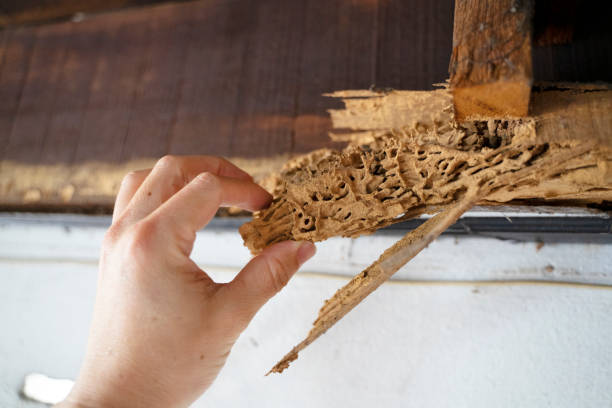
Wood after attack of termite. Wood, part of roof house after attack of termite. Peril from insect concept. pest control stock pictures, royalty-free photos & images

Understanding How Fumigation Works to Eradicate Termites Completely

Fumigation is one of the most effective methods for eradicating termites, especially when dealing with severe infestations. This process involves the use of gaseous pesticides, or fumigants, to eliminate termites in all stages of their lifecycle. Here’s an in-depth look at how fumigation works and why it remains a reliable choice for termite control.

Key Steps in the Fumigation Process

  1. A licensed pest control professional inspects your property to confirm termite infestation and assess its severity.
  2. The inspection identifies areas where termites are active and determines whether fumigation is necessary.
  3. The building is sealed off using tarps or other materials to create an enclosed environment where fumigants can work effectively.
  4. Occupants, including pets and plants, are evacuated for safety.
  5. A specialized fumigant gas (e.g., sulfuryl fluoride) is released into the sealed structure.
  6. The gas penetrates walls, floors, ceilings, and furniture to target termites in hidden spaces.
  7. The structure remains sealed for a specific duration (usually 24-72 hours), allowing the fumigant to reach and kill termites throughout the building.
  8. After treatment, professionals ventilate the structure by removing tarps and allowing fresh air circulation.
  9. Once all traces of fumigant gas have dissipated, home occupants can safely return.

Benefits of Fumigation

Benefit Description
Comprehensive Coverage Targets termites deep within inaccessible spaces like inside walls or roofs
Effective on Severe Infestations Quickly eliminates entire termite colonies without leaving survivors
Time-Efficient Typically completed within 3-5 days
Residue-Free Leaves no lasting chemicals or residue post-treatment

Limitations of Fumigation

  • Temporary Solution: Fumigation does not prevent future infestations; follow-up prevention methods are essential.
  • Cost: As a comprehensive treatment, it may be more expensive compared to other localized options.
  • Preparation Needs: Requires significant preparation by homeowners (removing food items, plants, etc.).

When Should You Opt for Fumigation?

  1. When there is evidence of extensive drywood termite infestations that cannot be addressed with spot treatments.
  2. When termite colonies have infiltrated structural elements such as beams or subflooring.
  3. For large-scale infestations that span multiple areas of a property.

Using professional fumigation services ensures that every stage—from planning to execution—is carried out safely and effectively. While it requires preparation on your part as a homeowner, its ability to completely rid your property of termites makes it an invaluable tool in pest control arsenals when combating severe infestations.

Spraying, disinfection and decontamination Professional worker in protective workwear reading checklist about house disinfection plan. pest control stock pictures, royalty-free photos & images

How a Pest Control Company in Davie FL Uses Termite Stations to Protect Your Home

Termites can cause significant structural damage to your home if left untreated. While fumigation is often used for severe infestations, termite stations are an effective long-term solution for ongoing prevention and monitoring. This approach focuses on creating a protective barrier around your property to intercept and eliminate termites before they can cause harm. Below, we’ll explore the critical role termite stations play in safeguarding your home.

What Are Termite Stations?

Termite stations are strategically placed devices designed to detect, monitor, and control termite activity around a property. These stations usually consist of two types: bait stations and monitoring-only stations.

  • Bait Stations: Contain specially formulated bait that termites consume and share with their colony, leading to its eventual elimination.
  • Monitoring Stations: Detect termite activity but do not contain bait. If termites are detected, these can be upgraded to bait systems as needed.

How Termite Stations Protect Your Home

  1. Early Detection
    Termite stations allow for early detection of termite activity near your home. By identifying infestations before they reach your home’s foundation or wooden structures, they help prevent costly repairs.
  2. Colony Elimination
    Bait stations contain specialized compounds that disrupt the developmental process of termites or inhibit their ability to feed properly. Once consumed, the bait is shared among the colony members, including the queen, leading to a gradual collapse of the entire colony.
  3. Long-Term Monitoring
    Unlike fumigation—which targets active infestations—termite stations provide continuous protection by serving as an ongoing monitoring system for new termite activity year-round.
  4. Reduced Chemical Use
    Since termite bait targets specific colonies near the station, it significantly reduces the amount of pesticide introduced into the environment compared to widespread fumigation methods.

Placement and Installation

Placement Area Reason
Near Foundation Intercept termites traveling toward your home’s base
Around Moisture-Prone Areas Termites are attracted to damp conditions
In Gardens or Mulched Areas Wood-based mulch serves as a potential food source

Spacing between each station typically ranges from 10 to 15 feet depending on environmental factors such as soil type and termite species prevalent in the area.

Advantages Over Other Methods

  • Cost-effective in preventing future infestations
  • Minimal disruption compared to fumigation (no need to vacate premises)
  • Safe for pets and humans when installed correctly
  • Provides peace of mind with routine inspection reports from pest control professionals

Professional Maintenance Is Key

For optimal results, regular inspections by licensed pest control experts are essential. Professionals will check each station periodically to assess bait consumption levels and detect any signs of new activity. This proactive approach ensures that any potential threat is addressed promptly before it escalates into a larger problem.

By incorporating termite stations into a comprehensive pest management plan, homeowners can enjoy sustained protection against one of nature’s most destructive pests without resorting solely to reactive measures like fumigation or costly repairs after damage has occurred.

Effective Pest Removal Davie FL: How Termite Stations Offer Long-Term Solutions

Termite stations are among the most effective and sustainable solutions for addressing termite infestations. These systems are designed to monitor, control, and prevent termite activity over time, providing homeowners with long-lasting protection against these destructive pests. Below, we will explore how termite stations work, their advantages, and how they can serve as a proactive defense for your property.

What Are Termite Stations?

  1. Monitoring Devices: Used to detect termite activity in the soil.
  2. Bait Systems: Contain toxic bait that termites ingest and carry back to their colony.

Once termites consume the bait, it disrupts their growth or kills them outright, ultimately eliminating the colony.

Key Functions of Termite Stations

  • Early Detection: Stations can identify termite activity before significant damage occurs.
  • Colony Elimination: The toxic bait is carried back by worker termites to destroy the entire colony.
  • Ongoing Monitoring: Regular inspections ensure that any new colonies or activity near your home are promptly addressed.

Advantages of Using Termite Stations

Benefit Explanation
Non-invasive Installation doesn’t require drilling or structural alterations.
Environmentally Friendly Baits use targeted toxins that minimize impact on non-target species.
Cost-effective Long-term monitoring reduces the need for repeated treatments.
Preventative Protection Helps avoid future infestations through continuous monitoring and control.

How Are Termite Stations Installed?

  1. Assessment: A pest control specialist evaluates your property for signs of termite activity.
  2. Placement: Stations are installed at regular intervals around potential risk areas such as foundations or gardens.
  3. Regular Inspections: Technicians inspect stations periodically to replace baits and monitor any signs of new activity.

Maintaining Your Termite Station System

  • Schedule inspections every 3-6 months with a licensed pest control professional.
  • Replace bait regularly to keep it attractive to termites.
  • Address environmental factors like moisture buildup that might encourage termites elsewhere on your property.

With routine care and attention, termite stations can remain an effective part of your home’s defense against pests for years.

When Should You Consider Termite Stations?

Termite stations are ideal in situations where prevention is key or when existing infestations are localized rather than widespread. They’re especially useful if you live in a region prone to termites or have experienced issues in the past.

By choosing termite stations as part of your pest management plan, you can protect your home from costly structural damage while promoting long-term peace of mind.

Fumigation vs. Termite Stations: Choosing the Right Approach for Your Termite Problem

When dealing with termite infestations, one of the most critical decisions homeowners face is whether to opt for fumigation or termite stations as an eradication or prevention strategy. Both methods are effective under specific circumstances but vary in their approach, cost, and long-term benefits. Understanding these differences can help you choose the right solution for your needs.

Fumigation: A Comprehensive Eradication Method

Fumigation is a process that involves sealing off your home and introducing a toxic gas designed to eliminate termites at all life stages. It is best suited for severe infestations where colonies have deeply invaded structural wood and other areas of your property.

Advantages of Fumigation:
Thorough Elimination: Targets termites throughout the entire structure, including hard-to-reach areas like walls and flooring.
Immediate Results: Provides rapid extermination, typically within a few days.
One-Time Process: Often requires only one treatment for complete eradication.

Disadvantages of Fumigation:
Temporary Solution: While effective at clearing active infestations, it does not prevent future termite problems.
Costly Process: Can be expensive due to the specialized equipment and labor involved.
Inconvenience to Homeowners: Requires vacating the property for several days and preparing sensitive items beforehand (e.g., food and plants).

Termite Stations: A Preventative & Long-Term Solution

Termite stations are strategically installed baiting systems designed to monitor termite activity and eliminate colonies over time. They are ideal for ongoing protection against termites or addressing less severe infestations.

How They Work:
1. Bait stations are placed around your home’s perimeter in areas where termite activity is likely.
2. Termites feed on the bait, which contains slow-acting pesticides that spread throughout their colony. 3. The colony gradually collapses as more termites consume the poisoned bait.

Advantages of Termite Stations:
Long-Term Protection: Continually monitors and protects against future infestations when properly maintained. – Environmentally Friendly Options: Many baits use targeted pesticides with minimal impact on non-target species. – Non-Invasive Installation: No need to vacate your home during installation or servicing.

Disadvantages of Termite Stations:
Slower Results: Unlike fumigation, bait systems work over weeks or months as they target colony members gradually. – Ongoing Maintenance Costs: Regular inspections by professionals are required to ensure effectiveness. – Limited Scope for Severe Infestations: May not be sufficient alone if an infestation has already spread extensively within the structure.

Key Factors to Consider When Choosing Between Fumigation and Termite Stations

Factor Best Option Why
Severity of Infestation Fumigation Quickly eliminates widespread damage caused by large colonies hiding deep within structures.
Prevention Needs Termite Stations Provides sustained defense against future infestations through proactive monitoring systems.
Budget Termite Stations Generally more affordable upfront but requires ongoing service fees over time.
Convenience Termite Stations Less invasive with no need to vacate your home during treatment cycles.

Combining Both Methods

In some cases, a combined approach may be necessary. For example:
1. Use fumigation initially to eradicate an existing infestation completely. 2. Install termite stations afterward as a preventive measure to avoid reinfestation.

By consulting with pest control professionals, you can develop a tailored plan that addresses both immediate concerns and long-term protection needs effectively.


How to Choose the Right Pest Control Company Davie FL for Effective and Reliable Protection

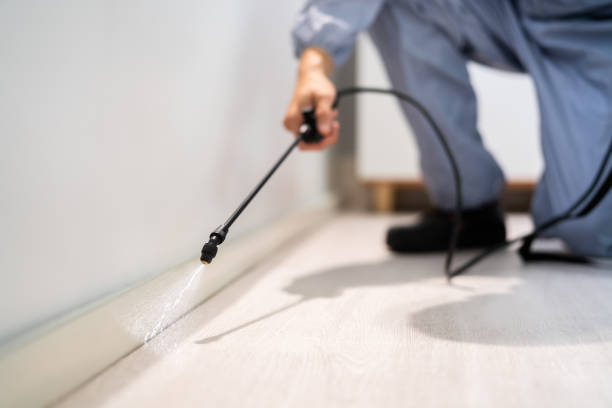
Pest Control Exterminator Man Spraying Pesticide stock photo

Selecting a reliable termite control company is crucial for protecting your property from these destructive pests. With numerous options available, knowing what to look for can make all the difference in ensuring effective termite management. Below are key factors to consider when choosing the right termite control company.

Assess Experience and Expertise

  • Years in Business: Look for companies with a proven track record of successfully handling termite infestations. Businesses with years of experience are often more adept at identifying and addressing complex issues.
  • Specialization: Some pest control companies focus on general pest management, while others specialize in termites. Opting for a company that has specific expertise in termite control ensures you receive tailored solutions.

Verify Licensing and Certification

  • Ensure the company holds proper licenses required by your state or local regulatory body.
  • Check whether their technicians are certified by recognized professional organizations, such as the National Pest Management Association (NPMA). Certified professionals are trained to use advanced techniques and comply with industry standards.

Review Treatment Methods

Different companies may use different treatment methods ranging from chemical barriers to baiting systems. Ask about their preferred methods and ensure they align with your needs, environmental concerns, or preferences.

Key considerations include:
| Treatment Type | Benefits | Drawbacks |
|—————————|——————————————-|—————————————–|
| Liquid Chemical Barriers | Immediate results; long-lasting protection | Potentially invasive during application |
| Baiting Systems | Minimal disruption; eco-friendly | May take time to show full effectiveness|

Evaluate Warranties and Follow-Up Plans

  • Look for companies that offer warranties on their treatments. These warranties typically cover retreatment if termites return within a specified period.
  • Check if they provide regular follow-up inspections after treatment as part of their service package.

Research Reputation and Reviews

Take time to research customer reviews on trusted platforms like Google or Yelp. Positive feedback regarding punctuality, professionalism, and problem resolution is a good indicator of reliability.

Key questions to ask past clients or read in reviews:
Was the infestation resolved effectively?
2. Was customer service responsive and helpful?
3. Were there any hidden costs?

Request Multiple Quotes

Contact at least three reputable termite control companies and request detailed quotes for comparison purposes.
– The scope of services provided (e. g. , inspection, treatment, follow-ups).
– Costs associated with initial treatments versus ongoing maintenance plans.

Go Local When Possible

Local companies often have better knowledge about region-specific termite species and environmental factors affecting infestations in your area.

By carefully evaluating these aspects before making a decision, you can ensure that your choice provides effective, long-term protection against termites while meeting your budgetary requirements.

Identifying Termite Infestation Signs with Davie FL Pest Control Experts

Termites are often called “silent destroyers” because they can cause significant structural harm before their presence becomes apparent.

Key Signs You Need Pest Removal Davie FL for Termite Infestations

  • Discarded Wings:After swarming, reproductive termites (alates) shed their wings, leaving behind small piles near windowsills, doors, or light fixtures.
  • Frass (Termite Droppings):Drywood termites leave behind tiny pellets resembling sawdust or coffee grounds near areas they infest.
  • Bubbling or Uneven Paint:Termites can cause moisture buildup beneath painted surfaces, leading to bubbling or an uneven texture.
  • Visible Damage:Look for wood that appears blistered, cracked, or visibly damaged. In severe cases, structures like support beams and furniture may crumble when touched.

Finding an Exterminator Davie FL Residents Trust for Termite-Prone Areas

Termites thrive in environments with moisture and easy access to wood or cellulose-based materials.

Location Signs of Activity
Foundation Mud tubes along walls and cracks in concrete
Crawl Spaces Hollow-sounding wooden structures and damp conditions
Basements Discarded wings near windows and visible wood damage
Attics Frass accumulation near wooden beams
Outdoor Wooden Features Damage to fences, decks, firewood piles, tree stumps

Expert Tips for Pest Control Services Davie FL: Termites vs.

It’s essential not to confuse termites with other insects like ants.

Feature Termites Winged Ants
Waist Shape Thick waist (no narrowing) Narrow waist
Antennae Straight Elbowed
Wings Same size Front wings larger than hind wings

Why Early Detection Matters

Professional inspections play a critical role because trained specialists use advanced tools such as moisture meters and infrared cameras to locate hidden infestations that aren’t visible during surface-level checks.

Regular monitoring ensures swift identification of potential issues before significant damage occurs – saving both money and stress over time.

  1. If you find mud tubes, break off a small section. Active infestations will usually show termites inside or the reformation of the tube within days.
  2. Swarming termites shed their wings after mating and establishing new colonies.
  3. Look for piles of discarded wings near windowsills, doors, or light fixtures—these are telltale signs of a swarm inside your property.
  4. Termites feed on cellulose found in wood, causing it to hollow out over time.
  5. Look for small holes in wood surfaces or bubbling paint that may suggest termite activity underneath.
  6. These droppings are often found near baseboards, windowsills, or other wooden structures.
  7. You may also hear rustling sounds caused by worker termites actively chewing through wood.

How to Conduct Routine Visual Checks

Area What to Look For Additional Tips
Foundations & Baseboards Mud tubes or frass Use a flashlight for better visibility
Wooden Structures Hollow-sounding areas when tapped Test with a screwdriver gently
Attics & Crawlspaces Discarded wings or damaged wood Look for moisture buildup (a termite attractant)
Outside Perimeters Mud tubes near soil-to-wood contact points Inspect regularly during warmer months

Why Awareness Matters

  • Structural repairs due to advanced termite damage can be extensive and expensive.
  • Early detection ensures more straightforward extermination processes using targeted treatments like baits or barrier systems.
  • Awareness enables effective collaboration with pest control professionals during inspections and treatment planning.

By staying vigilant about these indicators and scheduling regular professional inspections, you can safeguard your home or business against costly termite infestations while maintaining its structural integrity over time.

The Importance of Professional Termite Inspections for Protecting Your Property

Protecting your property from termites requires a proactive approach, and professional termite inspections play a critical role in safeguarding your investment. These inspections go beyond surface-level observations and use specialized techniques to detect termite activity early, reducing the potential for significant damage. Below, we explore why professional termite inspections are essential and what you can expect during the process.

Benefits of Professional Termite Inspections

  • Early Detection: Experts can identify termites before they cause substantial damage.
  • Comprehensive Assessment: Professionals examine areas that are often overlooked, such as crawl spaces, basements, attics, and wooden structures.
  • Tailored Solutions: Inspection results guide customized treatment plans based on the severity of the infestation.
  • Peace of Mind: Knowing your property is inspected by trained professionals provides reassurance that hidden threats are addressed.

Key Areas Assessed During a Termite Inspection

A professional inspection involves an in-depth assessment of both interior and exterior areas.

Area Why It’s Important
Foundation and Basement Termites often enter through foundations
Wooden Structures Prime feeding sites for termites
Walls and Ceilings Mud tubes or hollow-sounding wood may signify problems
Attic Spaces Moisture-prone areas where termites thrive
Outdoor Areas Mulch, tree stumps, or wooden fences attract termites

Common Tools Used by Professionals

  • Moisture Meters: Detect high humidity levels that may indicate termite activity.
  • Infrared Cameras: Reveal heat differences caused by termite nests behind walls.
  • Probes: Test wood strength to identify damaged sections without invasive methods.
  • Flashlights and Mirrors: Assist in evaluating hard-to-reach spaces.

Why You Shouldn’t Skip Regular Inspections

Skipping regular inspections increases the risk of costly repairs down the line.

  1. Prevent Structural Damage
    Termites can weaken load-bearing structures over time, compromising safety.
  2. Save Money in the Long Run
    Early detection means addressing infestations before they escalate into expensive problems.
  3. Maintain Property Value
    Properties with unchecked termite issues lose value quickly in real estate markets.
  4. Meet Insurance Requirements
    Some insurance policies mandate periodic pest control checks to maintain coverage eligibility.

When Should You Schedule an Inspection?

The frequency of inspections depends on factors such as location, age of the property, and prior history with pests.

  • Annually for most homes in moderate-risk areas
  • Semi-annually for properties located in high-risk regions or with previous infestations
  • Before purchasing or selling any property to ensure proper disclosure

Investing in regular professional termite inspections is one of the most effective ways to protect your property from damage while maintaining its long-term value. By staying vigilant and partnering with experienced pest control specialists, you can safeguard your home or business against these destructive pests year-round.

Pest Control stock photo

Why Regular Termite Inspections Are Essential to Avoid Costly Structural Damage

Termites are among the most destructive pests that can invade a property. Often referred to as “silent destroyers,” they can cause significant structural damage before their presence is even noticed. Regular termite inspections are a proactive approach to safeguarding your home or business from this costly threat. Below, we explore why these inspections are critical and how they help mitigate substantial repair expenses.

Early Detection Prevents Major Damage

One of the primary benefits of regular termite inspections is early detection. A professional inspection can identify termite activity in its early stages, allowing for prompt treatment.
Weakening of wooden beams
Compromised flooring and walls
Damaged ceilings and other load-bearing structures

By scheduling routine inspections, you reduce the risk of expensive repairs caused by unchecked infestations.

Protecting Property Value

Termite damage not only weakens your property structurally but also decreases its market value significantly. Potential buyers and real estate agents often demand proof of recent termite inspections before proceeding with a purchase. Regular inspections ensure you have the necessary documentation to demonstrate that your property is free of termites or has been treated effectively.

Financial Impact Comparison

Scenario Estimated Costs
Annual termite inspection & prevention $200 – $500/year
Repairing extensive structural damage $3,000 – $8,000+ per case

Investing in regular inspections proves to be far more economical than paying for significant repairs after an infestation takes hold.

Ensuring Comprehensive Coverage with Professionals

Professional inspectors bring expertise and advanced tools such as thermal imaging cameras and moisture sensors to identify hidden colonies effectively.
– Inspection of crawl spaces, basements, attics, and foundations
– Examination of wood structures for hollow sounds or visible damage
– Identification of moisture-prone areas that attract termites

These thorough evaluations provide peace of mind while ensuring no corner is overlooked.

Prevention Through Early Action Strategies

A professional inspection does more than just detect termites; it offers customized prevention strategies tailored to your specific property needs.
Reducing excess moisture near foundations through proper drainage systems.
2. Eliminating wood-to-soil contact by raising wooden structures off the ground using concrete or metal supports. 3. Treating vulnerable areas with barrier treatments like termiticides or baiting systems.

Regular follow-ups allow professionals to monitor these strategies’ effectiveness over time and adjust them as needed.

By committing to scheduled termite inspections, property owners gain long-term protection against costly infestations while maintaining the integrity and value of their assets.

Understanding the Life Cycle of Termites and How It Impacts Prevention Strategies

To effectively manage and prevent termite infestations, it is crucial to understand their life cycle. Termites operate within a caste system, with each stage playing a vital role in the colony’s survival and growth. By identifying these stages and their behavioral patterns, property owners can implement targeted prevention strategies. Below is an overview of the termite life cycle and insights on how it informs control measures.

The Termite Life Cycle

Termites undergo incomplete metamorphosis, which consists of three primary stages: egg, nymph, and adult.

  1. Female termites (queens) lay eggs in large numbers, sometimes producing thousands of eggs daily.
  2. Eggs are stored in nurseries within the colony and hatch after 30-60 days, depending on species and environmental conditions.
  3. Nymphs emerge from eggs as immature termites capable of developing into various roles (workers, soldiers, or reproductive adults) based on colony needs.
  4. During this stage, termites are highly vulnerable to environmental factors like temperature changes or exposure to pesticides.
  5. In adulthood, termites take on specific roles:
    • Workers:Responsible for gathering food and maintaining the colony structure. This group causes the most damage to wood structures.
    • Soldiers:Serve as defenders against predators such as ants.
    • Reproductive Termites (Alates):Swarm during specific seasons to establish new colonies.

How the Life Cycle Impacts Prevention

  • Focus on Early Detection:
    Since eggs are laid deep within colonies where they are shielded from external threats, early detection efforts should focus on identifying worker activity near wood sources.
  • Disruption of Swarming Cycles:
    Alates (winged reproductives) swarm during warm months to form new colonies. Installing physical barriers or setting up light traps near entry points can reduce swarming success rates.
  • Target Vulnerable Nymphs:
    Nymphs depend heavily on moisture for development; addressing water leaks or improving ventilation can create unfavorable conditions for their survival.
  • Worker Suppression Methods:
    Chemical treatments like liquid termiticides or termite baits disrupt worker functions by eliminating food-gathering capabilities.

Key Prevention Measures Based on Termite Biology

Termite Stage Behavior/Role Effective Prevention Measure
Egg Sparse activity Deep soil treatments near known colony locations
Nymph Immature development Reduce moisture through proper drainage systems
Worker Wood consumption Use treated wood or bait systems
Reproductive Alates Colony expansion Install insect screens around vents/windows

Long-Term Benefits of Understanding Termite Behavior

By aligning prevention efforts with termite biology and lifecycle stages, property owners can take proactive steps that significantly reduce infestation risks while minimizing costly structural repairs. Regular monitoring combined with professional inspections ensures that vulnerabilities associated with different life stages are promptly addressed before they escalate into serious problems.


Key Factors to Consider When Choosing Davie FL Pest Control Services

Exterminator working stock photo

Selecting the right pest control company is crucial for protecting your property from termite damage and ensuring long-term effectiveness. With numerous options available, understanding the key factors to consider can help you make an informed decision.

Licensing and Certification

One of the first elements to verify is whether the pest control company holds proper licensing and certifications. Licensed companies comply with state or local regulations, demonstrating adherence to industry standards.

  • National Pest Management Association (NPMA)
  • QualityPro Certification
  • State-specific pest control licenses

These credentials signal that the technicians are knowledgeable about best practices and trained in safe, effective pest management strategies.

Experience in Termite Control

Experience plays a vital role when dealing with termites, as their behavior and impact on structures require specialized knowledge.

  • Years of experience in termite-specific treatments
  • Familiarity with both residential and commercial properties
  • Success rates with previous termite eradication projects

Experienced companies often employ advanced technologies like infrared cameras, baiting systems, or moisture meters to detect termite activity more effectively.

Reputation and Reviews

A company’s reputation can reveal much about its reliability and customer satisfaction.

  1. Review online platforms such as Google Reviews, Yelp, or Better Business Bureau (BBB).
  2. Ask for references or testimonials from past clients.
  3. Check if they have received awards or recognitions within the industry.

Look for patterns in customer feedback regarding punctuality, professionalism, and success in resolving termite issues.

Range of Services Offered

A professional pest control company should offer tailored solutions based on your specific situation.

  • Do they provide comprehensive termite inspections?
  • Are both chemical treatments (e. g. , termiticides) and non-chemical options available?
  • Can they address prevention measures alongside eradication?

Additionally, companies that offer warranties or maintenance plans ensure peace of mind by guaranteeing follow-up services if termites return.

Transparency in Pricing

Cost transparency is critical when choosing a provider. Avoid companies that provide vague estimates or pressure you into unnecessary services.

Service Type Estimated Cost
Initial Inspection $75 – $250
Termite Treatment $500 – $3,000+
Ongoing Monitoring/Plans $300 – $600/year

Be cautious of unusually low prices, as these may indicate subpar materials or incomplete treatments.

Commitment to Safety and Environmental Practices

Handling termites often involves chemicals that can pose risks if misused. A reputable company prioritizes safety by using EPA-approved products and adhering to best practices for application.

  • Verify if eco-friendly treatment options are available.
  • Ensure they communicate potential risks to pets, children, or sensitive individuals.

Companies committed to sustainability demonstrate responsibility toward both homeowners and the environment.

Customer Service Standards

Exceptional customer service sets great pest control providers apart from mediocre ones.

  1. Responsiveness: Do they answer inquiries promptly?
  2. Communication: Are explanations clear regarding inspection findings and treatment plans?
  3. Scheduling Flexibility: Can they accommodate your preferred dates/times?

Companies with strong customer service ensure smoother communication throughout the process while addressing any concerns efficiently.

By carefully analyzing these key factors—licensing, experience, reputation, services offered, pricing transparency, safety practices, and customer service—you can confidently select a professional pest control company capable of handling even severe termite infestations effectively while delivering outstanding support at every stage of the process.

Choosing the Best Pest Control Company Davie FL: Qualifications, Experience, and Reputation

Selecting the right pest control company to handle your termite inspection and eradication needs is a critical decision for homeowners and businesses. The qualifications, experience, and reputation of a pest management service provider are key factors that directly affect the quality of service you will receive. Here’s a detailed look at what to consider when evaluating these aspects.

Qualifications to Look For

A professional pest control company should meet specific industry standards and possess the necessary certifications.

  • Licensing: Ensure the company holds appropriate state or local licenses to operate legally in your area.
  • Certifications: Look for certifications from reputable organizations such as the National Pest Management Association (NPMA) or QualityPro Certification.
  • Training Programs: Confirm that their technicians undergo regular training on modern pest control techniques, safety protocols, and environmental regulations.

Assessing Experience in Termite Control

Experience plays a pivotal role in effective termite management. A seasoned company will be better equipped to handle challenging situations and provide tailored solutions.

  1. Years in Business: Choose companies with several years of active service in termite inspections and treatments.
  2. Specialization: Ensure they have expertise specifically related to termite detection, prevention, and eradication rather than general pest control.
  3. Track Record: Request references or case studies showcasing their ability to address termite problems effectively.

Gauging Reputation Through Research

The reputation of a company can provide insights into its reliability, professionalism, and customer satisfaction levels.

  • Online Reviews: Check platforms like Google Reviews or Yelp for customer feedback. Focus on recurring themes such as punctuality, thoroughness during inspections, and transparency about costs.
  • Better Business Bureau (BBB) Ratings: A high BBB rating indicates trustworthiness and good business practices.
  • Word-of-Mouth Recommendations: Seek advice from friends, family members, or neighbors who have used similar services.
Aspect Questions to Ask Red Flags
Licensing Are they licensed by relevant authorities? Lack of proof of valid licenses
Certifications Do they hold industry-recognized credentials? Absence of certifications
Years in Business How long have they been serving customers? Newly established without references
Customer Feedback What do online reviews highlight? Consistently poor ratings or complaints

Importance of Communication Transparency

A professional pest management service should prioritize clear communication throughout every stage of their work. They should provide accurate estimates upfront without hidden charges while explaining their approach plainly so you can make informed decisions.

By thoroughly evaluating qualifications, experience, reputation, and communication practices when selecting a pest control provider, you can ensure that your home is protected from termites by skilled professionals who prioritize both efficiency and safety.

Ensuring Safety and Top-Notch Customer Service in Pest Removal Davie FL

When choosing a termite inspection service, customer service and safety are two crucial factors that often determine the quality of the experience and the reliability of the results. Termite inspections are not just about identifying infestations; they also ensure long-term protection for your property and the health of its occupants. Below, we explore why customer service and safety should be prioritized when hiring professionals for termite inspections.

Why Customer Service Matters in Termite Inspections

Exceptional customer service ensures a smooth process from initial contact to post-inspection support.

  • Prompt Communication: Companies that respond quickly to inquiries demonstrate professionalism and respect for your time.
  • Clear Explanations: A good pest control company will explain their inspection process, findings, and potential solutions in detail to ensure you fully understand each step.
  • Transparency: Reliable companies provide clear pricing structures without hidden fees or vague estimates.
  • Post-Service Support: Reputable services offer follow-up consultations or guidance on preventive measures after completing their work.
Customer Service Aspect Strong Approach Weak Approach
Communication Responds promptly via calls or emails Delays responses or fails to follow up
Explanation of Findings Provides detailed explanations with visual aids Offers vague or overly technical descriptions
Pricing Transparency Shares upfront costs, avoids hidden charges Presents unclear estimates
After-Service Support Offers resources or tips for ongoing prevention Ends communication after inspection

The Role of Safety in Termite Inspections

Safety is paramount during termite inspections, especially when treatments are required. An experienced professional will adhere to industry standards and use methods that protect homeowners, pets, and the environment.

  1. Use of Safe Products
    Ensure that any pesticides or treatment methods used during or after termite inspections comply with safety regulations set by agencies like the Environmental Protection Agency (EPA). Look for companies that prioritize low-toxicity chemicals whenever possible.
  2. Proper Equipment Handling
    Inspection teams should employ modern tools to minimize invasiveness while maintaining accuracy in detecting termites.
  3. Protective Measures During Treatment
    Professionals should provide guidance on necessary precautions, such as vacating premises during specific chemical applications if required.
  4. Environmental Responsibility
    Ethical pest control companies strive for eco-friendly practices that minimize harm to surrounding ecosystems while addressing termite issues effectively.

Questions to Ask About Safety Practices

  • What products do you use during inspections and treatments? Are they safe for children and pets?
  • Do you have certifications proving compliance with environmental standards?
  • How do you ensure minimal disruption during the inspection process?

By thoroughly evaluating both customer service quality and adherence to safety protocols, homeowners can rest assured knowing they’ve chosen a trustworthy partner for their termite inspection needs.

Pest control worker spraying pesticide stock photo

Finding an Exterminator Davie FL: Key Steps to Identify and Document Termite Issues

When conducting a termite inspection, gathering and recording precise information is crucial. Proper documentation not only helps in diagnosing the extent of the infestation but also aids in developing an appropriate treatment plan. Below are steps and methods to ensure all vital details are correctly noted during a termite inspection.

Steps for Identifying Key Signs of Termite Activity

  1. Look for thin, mud-like tunnels commonly found on walls, foundations, or wooden surfaces. These tubes serve as pathways for termites between their colony and food sources.
  2. Record their location, length, and whether they appear active (presence of live termites).
  3. Use tools like a screwdriver or small hammer to tap wooden structures. Hollow-sounding wood may indicate termite damage.
  4. Look for blistered wood surfaces or visible mazes within the wood, which suggest internal tunneling.
  5. Frass resembles small piles of sawdust or sand near wooden items or entry points.
  6. Note the color and quantity as this can provide clues about the species present.
  7. Winged termites typically appear near windowsills, doors, or light sources during mating season.
  8. Record the time of year and areas where swarmers are detected as it helps predict activity patterns.
  9. Examine any gaps in the foundation or structure where termites could gain entry.
  10. Document size and location since these areas may require sealing post-treatment.

Recording Critical Information

Organize your findings systematically by categorizing them under specific sections such as structural areas inspected and signs observed.

Area Inspected Observations Notes/Location Details
Kitchen Cabinets Mud tubes Found behind lower cabinet door
Living Room Floor Hollow wood sounds Detected beneath hardwood planks
Exterior Foundation Visible cracks Found near southeast corner
Bedroom Window Frame Frass pile Approx. 2” wide pile identified

Use clear language when creating notes to ensure easy interpretation by pest management professionals during follow-up visits.

Tools You’ll Need During Inspection

  • Flashlight: For inspecting dark areas like basements or crawl spaces.
  • Screwdriver/Poking Tool: To test wood strength and check for hollow areas.
  • Camera/Smartphone: For capturing photographic evidence of damage or termite presence.
  • Measuring Tape: To document dimensions of affected areas accurately.
  • Clipboard/Notebook: For recording observations in detail.

Finalizing Your Inspection Report

After completing your examination: – Summarize key findings such as primary infestation zones and potential structural vulnerabilities. – Include photographs with annotations to enhance clarity. – Highlight any immediate concerns that require urgent attention, like extensive damage or active colonies.

Accurate identification paired with detailed records ensures better communication with pest control professionals and helps streamline the mitigation process effectively.

Expert Pest Control Services Davie FL: Your Ultimate Guide to Termites

Termites are often referred to as “silent destroyers” due to their ability to cause extensive damage to wooden structures without immediate detection. Understanding termites, their habits, and how they infest properties is crucial for homeowners and businesses seeking effective pest control solutions. Below is a thorough guide to help you become more informed about these invasive pests.

Types of Termites and Their Characteristics

  • Live underground or in moist secluded areas above ground.
  • Build mud tubes to access food sources.
  • Responsible for the majority of termite-related structural damage.
  • Infest dry wood and do not require contact with soil.
  • Often found in furniture or wooden roofing materials.
  • Prefer wood that has high moisture content.
  • Commonly found near water-damaged areas but less likely to infest homes.
Type of Termite Habitat Key Behavior
Subterranean Soil/mud tubes High structural damage risk
Drywood Dry wood (furniture, beams) No soil contact needed
Dampwood Moist wood Prefers water-damaged areas

Signs of a Termite Infestation

Early detection of termites can save significant time and money on repairs.

  • Mud Tubes:Subterranean termites construct these pencil-width tunnels along walls or foundations as protective pathways.
  • Discarded Wings:After swarms, termites shed their wings near windowsills or entry points.
  • Wood Damage:Hollow-sounding wood or blistering paint could indicate internal damage caused by feeding termites.
  • Frass (Droppings):Drywood termites leave behind small piles of droppings resembling sawdust near infested areas.

How Termites Impact Structures

The destructive nature of termites stems from their diet—cellulose found in plant materials such as wood and paper products. Once they establish a colony within your property, structural elements such as beams, flooring, and walls can become compromised over time. The extent of damage depends on factors like colony size, duration of infestation, and construction material.

Examples of Vulnerable Areas:
  1. Wooden door frames and window sills.
  2. Crawl spaces with moisture buildup.
  3. Attics with exposed wooden beams.
  4. Basements with poor ventilation leading to dampness.

Preventative Measures Against Termite Infestations

  • Seal Entry Points: Repair cracks in walls or foundations where termites may gain access.
  • Reduce Wood-to-Ground Contact: Avoid letting wooden structures directly touch soil; use barriers like concrete slabs instead.
  • Store Firewood Properly: Keep firewood at least 20 feet away from your home and off the ground.

When Professional Help is Necessary

While DIY methods may deter minor infestations temporarily, significant termite activity requires expert intervention. Professional pest control companies utilize specialized tools such as thermal imaging cameras and moisture meters to detect colonies accurately. They also apply targeted treatments using termiticides or baiting systems designed for long-term protection against recurring problems.

Investing time into understanding termite behavior will empower you when facing potential threats posed by these persistent pests while helping ensure your property remains safe from costly damages over time.

Understanding Pesticides: Their Role in Effective Termite Control Solutions

Pesticides play a crucial role in the effective management of termite infestations. These chemical substances are specifically designed to eliminate or manage termite populations, reducing the risk of structural damage to homes and buildings. To make informed decisions about termite control, homeowners should understand the types of pesticides available, their functionality, and how they contribute to long-term pest management strategies.

Types of Pesticides Used in Termite Control

Termite control relies on several forms of pesticides, each tailored to specific circumstances.

  1. Applied around the foundation of a structure.
  2. Creates a chemical barrier that prevents termites from entering or exiting the treated area.
  3. Effective for soil treatments.
  4. Utilizes bait stations placed strategically around the property.
  5. Surface sprays or injections into wood to protect it from termite attack.
  6. Often includes borate-based solutions, which act as both a preventative and curative measure.
  7. Treats large-scale infestations by introducing gaseous pesticides into an enclosed space.
  8. Penetrates deep into wood and inaccessible areas but requires temporary relocation during treatment.

Benefits of Using Pesticides for Termite Control

  • Effective Colony Elimination: Targets the source rather than just surface-level symptoms of infestation.
  • Long-Term Protection: Some formulations remain active for years, providing ongoing protection.
  • Versatility: Different methods can be combined for comprehensive coverage.

Safety Considerations When Using Pesticides

  • Always hire certified pest control professionals who follow regulatory guidelines.
  • Ensure proper ventilation during treatments involving fumigants or sprays.
  • Keep children, pets, and vulnerable individuals away from treated areas until declared safe by experts.
  • Use eco-friendly alternatives whenever possible to minimize impact on non-target species and ecosystems.
Key Guidelines for Safe Use Recommendations
Read product labels carefully Follow manufacturer instructions explicitly
Store pesticides securely Prevent access by unauthorized individuals
Dispose responsibly Adhere to local regulations for chemical disposal

Cleaning staff sanitizing inside the house. stock photo

The Role of Professionals in Managing Pesticide Applications

  • Conducting thorough inspections to identify infestation levels.
  • Choosing appropriate pesticide types based on specific needs.
  • Ensuring precise application methods that maximize effectiveness while minimizing risks.

By understanding how pesticides function within termite control strategies and prioritizing safety measures, homeowners can confidently approach pest management efforts while protecting their property investments.

Essential Resources for Homeowners Preparing for a Termite Inspection

Preparing for a termite inspection is essential to ensure an efficient process and successful outcome. Homeowners can benefit from understanding the resources and steps necessary to make their property inspection-ready. Below, we outline essential resources, tips, and guidelines to help you prepare for a termite inspection.

Having relevant documents readily available can assist the inspector in understanding your property history.

  • Blueprints or Floor Plans: Helps identify potential problem areas like crawl spaces or extensions.
  • Previous Inspection Reports: Provides insight into prior termite issues or treatments.
  • Pest Treatment Records: Details any pesticide use or extermination history.

A well-organized record can save valuable time during the inspection process.

  • Declutter Crawl Spaces: Remove stored items under the house or in tight spaces.
  • Move Furniture Away from Walls: This allows inspectors to check baseboards and wall interiors easily.
  • Provide Access to the Attic and Basement: Ensure that entry points are unblocked.

By clearing these areas, you enable a thorough inspection without delays.

Common Termite Indicators Description
Mud Tubes Pencil-sized tunnels near foundation walls or structural wood
Discarded Wings Often found near windowsills or doorways
Wood Damage Hollow-sounding wood when tapped
Frass (Termite Droppings) Resembles small piles of sawdust

Documenting these signs can help direct inspectors toward areas that may require closer examination.

  • Secure pets in a different area during the inspection.
  • Inform household members about restricted zones during the visit.
  • Remove fragile items near areas that inspectors will need access to.

Safety precautions create an environment conducive to an effective inspection while protecting everyone involved.

  1. Moisture Meters: Help identify damp conditions that attract termites.
  2. DIY Pre-inspection Checklist: Available online; provides guidance on identifying risk factors.
  3. Local Pest Control Experts: Many companies offer free consultations before formal inspections.

These resources can offer peace of mind while ensuring no key aspect is overlooked.

Proper preparation not only supports a smooth termite inspection but also increases its accuracy by giving professionals full access to critical areas and information about your home’s pest history. Investing time in these preparations helps homeowners stay informed about their property’s condition and any potential risks associated with termites.


Identifying Termites and Their Activities with Davie FL Pest Control for Early Intervention

Shot of an unrecognizable person in white chemical protection suit doing disinfection of public areas to stop spreading highly contagious corona virus. Focus on sprayer nozzle. stock photo

Identifying termites and their activities early is crucial for preventing significant damage to your home. These pests often remain hidden until they’ve caused extensive destruction, which makes early detection a critical part of termite management.

Signs of Termite Infestation

  • Discarded WingsWings near windowsills or light fixtures are often an indicator of activity.
  • Hollow-Sounding Wood: Tap on wooden structures like floors or walls. If they sound hollow, termites may have tunneled through them.
  • Frass (Termite Droppings): Drywood termites produce small, pellet-like droppings called frass that resemble grains of sand or sawdust. Look for these near wood structures.
  • Warped Doors or Floors: As termites eat through wood, they can create moisture issues that cause structural elements to warp or sag.
  • Clicking Sounds in Walls: Soldier termites sometimes make faint clicking noises in response to disturbances. These sounds might indicate termite activity behind walls.

Key Areas to Inspect

Termites typically prefer warm, moist environments and are drawn to wood-based materials.

Area What to Look For
Foundation Mud tubes along the base or cracks
Crawl Spaces Damaged wooden beams or frass
Wooden Furniture Hollow-sounding spots when tapped
Windows and Door Frames Discarded wings or warped frames
Attics Chewed rafters and insulation

Types of Termites You Might Encounter

Different types of termites can attack your home based on its location and conditions.

  1. Subterranean Termites: These are the most common and destructive type in the United States. They build mud tubes and live underground but feed on wood above ground.
  2. Drywood Termites: Found in warmer climates, drywood termites live inside dry wood structures without needing soil contact.
  3. Dampwood Termites: Less common but still destructive; they thrive in damp environments where water-damaged wood is present.

Tips for Early Detection

  • Conduct regular inspections twice a year — ideally in spring (swarming season) and fall.
  • Repair leaks immediately since excess moisture attracts many termite species.
  • Store firewood away from your home’s foundation; keep it at least 20 feet away if possible.
  • Maintain proper ventilation around crawl spaces to prevent damp conditions favorable for infestations.

By staying vigilant and taking preventative measures, homeowners can mitigate termite risks before they escalate into costly repairs or structural damage. Early action is always better than waiting until the problem becomes unmanageable — protecting your investment starts with regular monitoring and prompt detection strategies.

Effective Tips from a Pest Control Company Davie FL to Identify Termites in Your Home

Termites are among the most destructive pests homeowners encounter, and early detection is vital to preventing significant damage. Recognizing the symptoms of termite activity can save you time, money, and structural damage to your property. Below is a detailed guide on identifying termites and their signs for early intervention.

Common Signs of a Termite Infestation

Detecting termites involves understanding their behavior patterns and physical indicators.

  • Hollow-Sounding Wood:Tap on wooden structures around your home. If they sound hollow, it may indicate internal termite damage.
  • Discarded Wings:After swarming (a termite reproductive cycle), termites often leave behind piles of discarded wings near windowsills or light fixtures.
  • Buckling Paint or Wallpaper:Moisture buildup caused by termites can cause paint to bubble or wallpaper to warp.

Visual Identification of Termites

Type Appearance Habitat Behavior
Subterranean Creamy white; soft-bodied; 1/8 inch long Found in soil or wood with soil contact Build mud tubes for moisture
Drywood Termites Light brown; 3/8 inch long Found in dry wood above ground Create tunnels inside wooden furniture
Dampwood Termites Larger than others; dark brown Prefer moist wood Rarely make contact with soil

Areas in Your Home Susceptible to Termites

  1. Termites often access homes through cracks in foundations or gaps near crawl spaces.
  2. Furniture, baseboards, floorboards, and door frames are frequent targets.
  3. High humidity levels in attics attract drywood termites.
  4. Decks, fences, tree stumps, and mulch piles serve as potential feeding grounds for termites before they migrate indoors.

Preventive Measures for Early Detection

  • Perform routine inspections of your home’s foundation and wooden structures.
  • Keep firewood stacks at least 20 feet away from your house.
  • Repair leaks promptly as damp wood attracts termites.
  • Seal cracks or gaps around windows, doors, and utility openings.

Early detection of termite activity plays a crucial role in protecting your home against extensive structural damage. By understanding what to look for and regularly monitoring vulnerable areas of your property, you can minimize the risk posed by these destructive pests effectively.

Understanding Pest Removal Davie FL: Types of Termites and How They Infest Homes

Understanding the various types of termites and their unique behaviors is crucial for protecting your home from potential infestations. Each type of termite has distinctive characteristics, habitats, and methods of causing damage. Here’s a breakdown of the main termite species to help you better understand their potential threat.

Subterranean Termites

Subterranean termites are among the most common and destructive species. They live in underground colonies and require contact with soil to survive.

Key characteristics:
Habitat: Underground colonies connected by tunnels or mud tubes
Damage: These termites consume wood from the inside out, often leaving only a thin veneer intact
Signs of infestation: Mud tubes on walls or foundations, hollow-sounding wood when tapped

Prevention tips for subterranean termites:
– Reduce moisture around your property by fixing leaks and ensuring proper drainage
– Keep firewood, plants, and mulch away from your home’s foundation
– Seal cracks in your foundation to prevent these pests from entering

Drywood Termites

Unlike subterranean termites, drywood termites do not rely on soil contact. Instead, they infest dry wood found in structural timber, furniture, or wooden flooring inside the home.

Key characteristics:
Habitat: Inside dry wood structures with low moisture content
Damage: They create extensive galleries within wooden materials that weaken their structure over time
Signs of infestation: Piles of frass (termite droppings), discarded wings near windowsills or doors

Prevention tips for drywood termites:
– Inspect wooden furniture regularly for signs of activity
– Use treated wood when possible during construction projects
– Ensure proper ventilation to reduce humidity levels indoors

Dampwood Termites

Dampwood termites prefer high-moisture environments and usually infest damp or decaying wood. These termites are less likely to invade homes unless there is excessive water damage present.

Key characteristics: – Habitat: Damp or rotting wood often found outdoors but occasionally indoors as well – Damage: They create smooth tunnels within damp wood but may not spread as aggressively as other termite types – Signs of infestation: Presence of damaged wet wood with clean-cut galleries

Prevention tips for dampwood termites: – Address any plumbing leaks or water damage promptly – Keep gutters clean to prevent water accumulation near your home – Replace rotting or moist wooden structures promptly

Formosan Termites

Formosan termites are a particularly aggressive species known for their large colony sizes and rapid destruction capabilities. They can establish both subterranean nests and aerial nests in buildings.

Key characteristics: – Habitat: Colonies may be located underground or within walls – Damage: Often more severe than other species due to their large population size – Signs of infestation: Swarmers (winged reproductive termites) indoors; widespread structural damage

Prevention tips for Formosan termites: – Schedule annual professional inspections if living in high-risk areas – Treat vulnerable areas with termiticide barriers during construction processes – Avoid stacking untreated lumber near your property

Termite Species Habitat Key Signs Prevention Tips
Subterranean Underground colonies Mud tubes; hollow-sounding wood Reduce moisture; seal foundation cracks
Drywood Inside dry wooden structures Frass piles; discarded wings Inspect furniture; reduce humidity
Dampwood Damp/rotting wood Damaged wet wood Fix leaks; replace rotted materials
Formosan Underground/aerial colonies Swarmers inside homes Annual inspections; termiticide barriers

Recognizing the specific type of termite affecting your property is an essential step toward developing an effective treatment plan. By taking preventative measures specific to each species’ behavior, homeowners can significantly reduce their risk of infestation while protecting valuable assets over time.

Man in hazmats making disinfection in flat stock photo

Understanding Termite Infestations with an Exterminator in Davie FL

Understanding the different types of termites and their behavior is essential for protecting your home. Termites are a silent threat, capable of undermining the structural integrity of any building. Here is an in-depth look at the major types of termites, their unique characteristics, and how they infest homes.

Subterranean Termites

Characteristics:
– Found in almost every state, subterranean termites are among the most destructive species in the world.
– These termites live underground in large colonies, often exceeding hundreds of thousands of members.

How They Infest Homes:
– Subterranean termites build mud tubes to travel between their colony and food sources like wood within your home.
– They rely on these tubes to retain moisture as they cannot survive long in dry conditions.
– Common entry points include cracks in foundations, gaps around utility lines, or wood that is in direct contact with soil.

Prevention Tips:
– Remove wood debris from around your property. – Ensure proper drainage to prevent moisture buildup near foundations. – Use physical barriers or termiticide treatments around potential entry points.

Drywood Termites

Characteristics:
– Unlike subterranean termites, drywood termites do not require contact with soil to survive. Instead, they infest dry wood such as furniture, flooring, or structural beams.
– Colonies tend to be smaller compared to subterranean termites but can still cause significant damage over time.

How They Infest Homes:
– Drywood termites typically enter homes through infested lumber, older wooden furniture, or exposed wooden surfaces like attic beams.
– Once inside, they create small tunnels within the wood while leaving behind distinctive pellet-shaped droppings called frass near infested areas.

Prevention Tips:
– Seal cracks and crevices where drywood termites might enter. – Store firewood away from your house and inspect it before bringing it indoors. – Consider using treated or pre-sealed wood during construction projects.

Dampwood Termites

Characteristics:
– Dampwood termites prefer wet or decaying wood and thrive in areas with high humidity levels.
– Larger than other termite species, dampwood termites are commonly found along coastal regions or in places prone to excessive moisture.

How They Infest Homes:
– These termites target water-damaged structures such as leaky roofs, plumbing issues, or poorly ventilated crawl spaces.
– Because dampwood termites often live directly inside decayed timber rather than creating external tunnels like subterraneans do, their presence may go unnoticed until significant damage occurs.

Prevention Tips:
| Moisture Management | Action Steps | |———————|————–| | Fix Plumbing Issues | Repair leaky pipes & faucets promptly | | Improve Ventilation | Use dehumidifiers & ensure adequate airflow | | Replace Damaged Wood | Remove affected materials before treatment |

Formosan Termites

Characteristics:
Formosan termites are a particularly aggressive subterranean species known for forming massive colonies that can consume up to one pound of wood per dayunder ideal conditions.

How They Infest Homes:
Their preferred method involves entering through foundational cracks similar methods too mentioned earlier levels OR 참고 .

How Pest Control Services Davie FL Can Help Prevent Termite Damage

Termites are often referred to as “silent destroyers” due to their ability to cause extensive damage without immediate detection. Understanding why termites are so destructive and how they create long-term structural issues is essential for homeowners looking to protect their properties. Below, we highlight the key reasons termites pose such a significant threat, along with an overview of how their activities lead to lasting damage.

How Termites Cause Structural Damage

Termites feed on cellulose, which is found in wood and other plant materials. This makes wooden structures in homes, including beams, flooring, and furniture, highly vulnerable. As they consume cellulose-based materials, termites weaken the structural integrity of buildings over time.

Key areas affected include: – Wooden Framework: Support beams and joists can become brittle and unsafe.Floorboards: Termite activity can lead to buckling or sagging floors.Walls: Hollow walls can indicate internal termite infestations.Foundation Systems: Subterranean termites often attack foundational wood located near soil.

Why Termite Activity Often Goes Unnoticed

One of the primary reasons termites are so destructive is their ability to remain undetected until significant damage has occurred. Unlike pests such as rodents or cockroaches, termites do not leave obvious signs in the early stages of infestation.

Here are some factors that make termite activity hard to detect: – Hidden Habitats: Termites burrow within walls, floors, and underground spaces.Gradual Destruction: Damage progresses slowly but steadily over time.Minimal Surface Clues: Early infestations may show no visible signs apart from subtle ones like discarded wings or mud tubes.

Types of Long-Term Damage Caused by Termites

The long-term effects of unchecked termite infestations can be far-reaching.

Type of Damage Description
Structural Weakness Compromised beams and support elements
Financial Loss Costly repairs that may not be covered by insurance
Aesthetic Issues Warped floors, peeling paint, or hollow-sounding wood
Reduced Property Value Homes with prior infestations may lose resale value

Factors That Make Termites Particularly Destructive

Several unique characteristics contribute to the destructive power of these pests: 1.Rapid Reproduction: A single colony contains thousands (sometimes millions) of termites actively feeding on a structure. 2.Continuous Feeding Cycles: Termites work 24/7 without resting, leading to non-stop damage. 3.Wide Range of Diets: Beyond wood, termites attack drywall paper backing, books, insulation materials, and more.

Preventing Long-Term Destruction

Early detection is critical in mitigating long-term termite damage. Homeowners should take proactive measures such as regular inspections by professionals and implementing prevention strategies like reducing wood-to-soil contact around their homes.

By understanding why termites are so destructive and how they operate unnoticed for extended periods, homeowners can better prepare themselves to handle potential infestations effectively.

Using DIY Termite Control — Is It Worth the Risk or Should You Call a Professional?

When dealing with termites, many homeowners consider DIY termite control as a cost-saving option. While taking a do-it-yourself approach can seem appealing, it’s essential to weigh the potential risks and benefits carefully. Understanding whether it’s truly worth tackling this problem on your own or calling in professional help requires evaluating several factors.

Pros of DIY Termite Control

  1. One of the most significant benefits of DIY termite control is the lower upfront cost compared to professional services. Many over-the-counter products like bait stations, insecticides, and natural repellents are affordable and accessible at local hardware stores.
  2. Homeowners can address small infestations without waiting for an appointment with a pest control company. This allows for immediate intervention if signs of termites are detected.
  3. For those who enjoy home improvement projects, tackling termites can be an educational experience that increases knowledge about pest management practices.

Cons of DIY Termite Control

  1. Store-bought solutions often only target surface-level termites and fail to eliminate colonies hidden deep within walls or foundations.
  2. Without proper training, it’s easy to misidentify termite species or mistake them for other pests like ants. This can lead to ineffective treatments.
  3. Some chemical treatments require careful handling due to potentially hazardous ingredients that could harm humans or pets if mishandled.
  4. DIY methods often focus on short-term fixes rather than addressing the root cause of the infestation, such as moisture issues or structural vulnerabilities in the home.

When Should You Consider a Professional?

Situation Why Professionals Are Needed
Large-scale infestations Experts have access to advanced tools and methods for deep elimination of colonies hidden in inaccessible areas.
Damage to wooden structures Professionals inspect structural integrity and provide targeted treatment plans while advising on repairs needed to prevent further damage.
Presence of subterranean termites These species build large underground colonies that require specialized treatment like soil applications or baiting systems unavailable for DIY use.
Regulatory requirements (e.g., selling property) In some regions, termite inspections by licensed professionals may be legally required during real estate transactions.

Alternatives To Purely DIY Approaches

  • Use physical barriers (e. g. , metal mesh screens) alongside professionally applied termiticides.
  • Employ moisture-control strategies such as fixing leaks while hiring experts for periodic inspections.
  • Monitor termite activity using bait stations but leave colony elimination to certified technicians.

Final Thoughts

While DIY termite control might appear cost-effective initially, improper handling could exacerbate infestations or lead to incomplete extermination efforts—resulting in higher costs over time due to extensive property damage or repeat treatments down the road. In most cases, engaging licensed pest control experts ensures thorough detection, treatment precision, and long-lasting protection against these destructive pests—all while providing peace of mind for homeowners concerned about safeguarding their property investments.