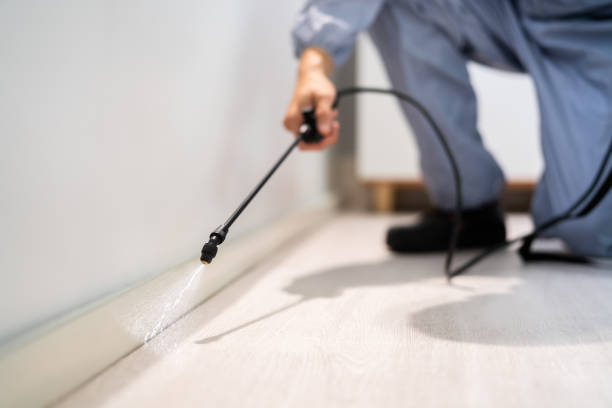
Selecting a reliable termite control company is crucial for protecting your property from these destructive pests. With numerous options available, knowing what to look for can make all the difference in ensuring effective termite management. Below are key factors to consider when choosing the right termite control company.
Assess Experience and Expertise
- Years in Business: Look for companies with a proven track record of successfully handling termite infestations. Businesses with years of experience are often more adept at identifying and addressing complex issues.
- Specialization: Some pest control companies focus on general pest management, while others specialize in termites. Opting for a company that has specific expertise in termite control ensures you receive tailored solutions.
Verify Licensing and Certification
- Ensure the company holds proper licenses required by your state or local regulatory body.
- Check whether their technicians are certified by recognized professional organizations, such as the National Pest Management Association (NPMA). Certified professionals are trained to use advanced techniques and comply with industry standards.
Review Treatment Methods
Different companies may use different treatment methods ranging from chemical barriers to baiting systems. Ask about their preferred methods and ensure they align with your needs, environmental concerns, or preferences.
Key considerations include:
| Treatment Type | Benefits | Drawbacks |
|—————————|——————————————-|—————————————–|
| Liquid Chemical Barriers | Immediate results; long-lasting protection | Potentially invasive during application |
| Baiting Systems | Minimal disruption; eco-friendly | May take time to show full effectiveness|
Evaluate Warranties and Follow-Up Plans
- Look for companies that offer warranties on their treatments. These warranties typically cover retreatment if termites return within a specified period.
- Check if they provide regular follow-up inspections after treatment as part of their service package.
Research Reputation and Reviews
Take time to research customer reviews on trusted platforms like Google or Yelp. Positive feedback regarding punctuality, professionalism, and problem resolution is a good indicator of reliability.
Key questions to ask past clients or read in reviews:
Was the infestation resolved effectively?
2. Was customer service responsive and helpful?
3. Were there any hidden costs?
Request Multiple Quotes
Contact at least three reputable termite control companies and request detailed quotes for comparison purposes.
– The scope of services provided (e. g. , inspection, treatment, follow-ups).
– Costs associated with initial treatments versus ongoing maintenance plans.
Go Local When Possible
Local companies often have better knowledge about region-specific termite species and environmental factors affecting infestations in your area.
By carefully evaluating these aspects before making a decision, you can ensure that your choice provides effective, long-term protection against termites while meeting your budgetary requirements.
Identifying Termite Infestation Signs with Davie FL Pest Control Experts
Termites are often called “silent destroyers” because they can cause significant structural harm before their presence becomes apparent.
Key Signs You Need Pest Removal Davie FL for Termite Infestations
- Discarded Wings:After swarming, reproductive termites (alates) shed their wings, leaving behind small piles near windowsills, doors, or light fixtures.
- Frass (Termite Droppings):Drywood termites leave behind tiny pellets resembling sawdust or coffee grounds near areas they infest.
- Bubbling or Uneven Paint:Termites can cause moisture buildup beneath painted surfaces, leading to bubbling or an uneven texture.
- Visible Damage:Look for wood that appears blistered, cracked, or visibly damaged. In severe cases, structures like support beams and furniture may crumble when touched.
Finding an Exterminator Davie FL Residents Trust for Termite-Prone Areas
Termites thrive in environments with moisture and easy access to wood or cellulose-based materials.
| Location | Signs of Activity |
| Foundation | Mud tubes along walls and cracks in concrete |
| Crawl Spaces | Hollow-sounding wooden structures and damp conditions |
| Basements | Discarded wings near windows and visible wood damage |
| Attics | Frass accumulation near wooden beams |
| Outdoor Wooden Features | Damage to fences, decks, firewood piles, tree stumps |
Expert Tips for Pest Control Services Davie FL: Termites vs.
It’s essential not to confuse termites with other insects like ants.
| Feature | Termites | Winged Ants |
| Waist Shape | Thick waist (no narrowing) | Narrow waist |
| Antennae | Straight | Elbowed |
| Wings | Same size | Front wings larger than hind wings |
Why Early Detection Matters
Professional inspections play a critical role because trained specialists use advanced tools such as moisture meters and infrared cameras to locate hidden infestations that aren’t visible during surface-level checks.
Regular monitoring ensures swift identification of potential issues before significant damage occurs – saving both money and stress over time.
- If you find mud tubes, break off a small section. Active infestations will usually show termites inside or the reformation of the tube within days.
- Swarming termites shed their wings after mating and establishing new colonies.
- Look for piles of discarded wings near windowsills, doors, or light fixtures—these are telltale signs of a swarm inside your property.
- Termites feed on cellulose found in wood, causing it to hollow out over time.
- Look for small holes in wood surfaces or bubbling paint that may suggest termite activity underneath.
- These droppings are often found near baseboards, windowsills, or other wooden structures.
- You may also hear rustling sounds caused by worker termites actively chewing through wood.
How to Conduct Routine Visual Checks
| Area | What to Look For | Additional Tips |
| Foundations & Baseboards | Mud tubes or frass | Use a flashlight for better visibility |
| Wooden Structures | Hollow-sounding areas when tapped | Test with a screwdriver gently |
| Attics & Crawlspaces | Discarded wings or damaged wood | Look for moisture buildup (a termite attractant) |
| Outside Perimeters | Mud tubes near soil-to-wood contact points | Inspect regularly during warmer months |
Why Awareness Matters
- Structural repairs due to advanced termite damage can be extensive and expensive.
- Early detection ensures more straightforward extermination processes using targeted treatments like baits or barrier systems.
- Awareness enables effective collaboration with pest control professionals during inspections and treatment planning.
By staying vigilant about these indicators and scheduling regular professional inspections, you can safeguard your home or business against costly termite infestations while maintaining its structural integrity over time.
The Importance of Professional Termite Inspections for Protecting Your Property
Protecting your property from termites requires a proactive approach, and professional termite inspections play a critical role in safeguarding your investment. These inspections go beyond surface-level observations and use specialized techniques to detect termite activity early, reducing the potential for significant damage. Below, we explore why professional termite inspections are essential and what you can expect during the process.
Benefits of Professional Termite Inspections
- Early Detection: Experts can identify termites before they cause substantial damage.
- Comprehensive Assessment: Professionals examine areas that are often overlooked, such as crawl spaces, basements, attics, and wooden structures.
- Tailored Solutions: Inspection results guide customized treatment plans based on the severity of the infestation.
- Peace of Mind: Knowing your property is inspected by trained professionals provides reassurance that hidden threats are addressed.
Key Areas Assessed During a Termite Inspection
A professional inspection involves an in-depth assessment of both interior and exterior areas.
| Area | Why It’s Important |
| Foundation and Basement | Termites often enter through foundations |
| Wooden Structures | Prime feeding sites for termites |
| Walls and Ceilings | Mud tubes or hollow-sounding wood may signify problems |
| Attic Spaces | Moisture-prone areas where termites thrive |
| Outdoor Areas | Mulch, tree stumps, or wooden fences attract termites |
Common Tools Used by Professionals
- Moisture Meters: Detect high humidity levels that may indicate termite activity.
- Infrared Cameras: Reveal heat differences caused by termite nests behind walls.
- Probes: Test wood strength to identify damaged sections without invasive methods.
- Flashlights and Mirrors: Assist in evaluating hard-to-reach spaces.
Why You Shouldn’t Skip Regular Inspections
Skipping regular inspections increases the risk of costly repairs down the line.
- Prevent Structural Damage
Termites can weaken load-bearing structures over time, compromising safety. - Save Money in the Long Run
Early detection means addressing infestations before they escalate into expensive problems. - Maintain Property Value
Properties with unchecked termite issues lose value quickly in real estate markets. - Meet Insurance Requirements
Some insurance policies mandate periodic pest control checks to maintain coverage eligibility.
When Should You Schedule an Inspection?
The frequency of inspections depends on factors such as location, age of the property, and prior history with pests.
- Annually for most homes in moderate-risk areas
- Semi-annually for properties located in high-risk regions or with previous infestations
- Before purchasing or selling any property to ensure proper disclosure
Investing in regular professional termite inspections is one of the most effective ways to protect your property from damage while maintaining its long-term value. By staying vigilant and partnering with experienced pest control specialists, you can safeguard your home or business against these destructive pests year-round.

Why Regular Termite Inspections Are Essential to Avoid Costly Structural Damage
Termites are among the most destructive pests that can invade a property. Often referred to as “silent destroyers,” they can cause significant structural damage before their presence is even noticed. Regular termite inspections are a proactive approach to safeguarding your home or business from this costly threat. Below, we explore why these inspections are critical and how they help mitigate substantial repair expenses.
Early Detection Prevents Major Damage
One of the primary benefits of regular termite inspections is early detection. A professional inspection can identify termite activity in its early stages, allowing for prompt treatment.
– Weakening of wooden beams
– Compromised flooring and walls
– Damaged ceilings and other load-bearing structures
By scheduling routine inspections, you reduce the risk of expensive repairs caused by unchecked infestations.
Protecting Property Value
Termite damage not only weakens your property structurally but also decreases its market value significantly. Potential buyers and real estate agents often demand proof of recent termite inspections before proceeding with a purchase. Regular inspections ensure you have the necessary documentation to demonstrate that your property is free of termites or has been treated effectively.
Financial Impact Comparison
| Scenario | Estimated Costs |
| Annual termite inspection & prevention | $200 – $500/year |
| Repairing extensive structural damage | $3,000 – $8,000+ per case |
Investing in regular inspections proves to be far more economical than paying for significant repairs after an infestation takes hold.
Ensuring Comprehensive Coverage with Professionals
Professional inspectors bring expertise and advanced tools such as thermal imaging cameras and moisture sensors to identify hidden colonies effectively.
– Inspection of crawl spaces, basements, attics, and foundations
– Examination of wood structures for hollow sounds or visible damage
– Identification of moisture-prone areas that attract termites
These thorough evaluations provide peace of mind while ensuring no corner is overlooked.
Prevention Through Early Action Strategies
A professional inspection does more than just detect termites; it offers customized prevention strategies tailored to your specific property needs.
Reducing excess moisture near foundations through proper drainage systems.
2. Eliminating wood-to-soil contact by raising wooden structures off the ground using concrete or metal supports. 3. Treating vulnerable areas with barrier treatments like termiticides or baiting systems.
Regular follow-ups allow professionals to monitor these strategies’ effectiveness over time and adjust them as needed.
By committing to scheduled termite inspections, property owners gain long-term protection against costly infestations while maintaining the integrity and value of their assets.
Understanding the Life Cycle of Termites and How It Impacts Prevention Strategies
To effectively manage and prevent termite infestations, it is crucial to understand their life cycle. Termites operate within a caste system, with each stage playing a vital role in the colony’s survival and growth. By identifying these stages and their behavioral patterns, property owners can implement targeted prevention strategies. Below is an overview of the termite life cycle and insights on how it informs control measures.
The Termite Life Cycle
Termites undergo incomplete metamorphosis, which consists of three primary stages: egg, nymph, and adult.
- Female termites (queens) lay eggs in large numbers, sometimes producing thousands of eggs daily.
- Eggs are stored in nurseries within the colony and hatch after 30-60 days, depending on species and environmental conditions.
- Nymphs emerge from eggs as immature termites capable of developing into various roles (workers, soldiers, or reproductive adults) based on colony needs.
- During this stage, termites are highly vulnerable to environmental factors like temperature changes or exposure to pesticides.
- In adulthood, termites take on specific roles:
- Workers:Responsible for gathering food and maintaining the colony structure. This group causes the most damage to wood structures.
- Soldiers:Serve as defenders against predators such as ants.
- Reproductive Termites (Alates):Swarm during specific seasons to establish new colonies.
How the Life Cycle Impacts Prevention
- Focus on Early Detection:
Since eggs are laid deep within colonies where they are shielded from external threats, early detection efforts should focus on identifying worker activity near wood sources. - Disruption of Swarming Cycles:
Alates (winged reproductives) swarm during warm months to form new colonies. Installing physical barriers or setting up light traps near entry points can reduce swarming success rates. - Target Vulnerable Nymphs:
Nymphs depend heavily on moisture for development; addressing water leaks or improving ventilation can create unfavorable conditions for their survival. - Worker Suppression Methods:
Chemical treatments like liquid termiticides or termite baits disrupt worker functions by eliminating food-gathering capabilities.
Key Prevention Measures Based on Termite Biology
| Termite Stage | Behavior/Role | Effective Prevention Measure |
| Egg | Sparse activity | Deep soil treatments near known colony locations |
| Nymph | Immature development | Reduce moisture through proper drainage systems |
| Worker | Wood consumption | Use treated wood or bait systems |
| Reproductive Alates | Colony expansion | Install insect screens around vents/windows |
Long-Term Benefits of Understanding Termite Behavior
By aligning prevention efforts with termite biology and lifecycle stages, property owners can take proactive steps that significantly reduce infestation risks while minimizing costly structural repairs. Regular monitoring combined with professional inspections ensures that vulnerabilities associated with different life stages are promptly addressed before they escalate into serious problems.
- Key Factors to Consider When Choosing Davie FL Pest Control for Termite Inspections
- Understanding Pest Removal in Davie FL: What Happens During a Professional Termite Inspection Process
- Effective Pest Control Solutions with an Exterminator Davie FL: Fumigation and Termite Stations Explained
- How to Choose the Right Pest Control Company Davie FL for Effective and Reliable Protection
- Key Factors to Consider When Choosing Davie FL Pest Control Services
- Identifying Termites and Their Activities with Davie FL Pest Control for Early Intervention
- Finding the Best Pest Control Company Davie FL for Effective Termite Inspections
- The Complete Guide to Termite Inspections by a Pest Control Company in Davie FL: Protect Your Property Effectively
- The Ultimate Guide to the Sentricon System and How a Pest Control Company Davie FL Can Prevent Termites
