
Termites are among the most destructive pests homeowners face, causing billions of dollars in structural damage worldwide every year. To effectively combat these silent destroyers, understanding the two primary methods of termite management—fumigation and termite stations—is essential. This guide explores the purpose, processes, and benefits of each approach to equip homeowners with the knowledge they need for long-term pest control.
Understanding Fumigation and Pest Control Services in Davie FL
Fumigation is a pest control method designed to eliminate termites (and other pests) by filling an entire structure with fumigant gases or chemicals that penetrate hard-to-reach areas. It is commonly used for severe infestations where localized treatments would be insufficient.
Benefits of Fumigation:
- Comprehensive Treatment: Targets termites throughout the entire structure, including hidden colonies within walls, floors, and foundations.
- Fast and Effective: Typically eliminates termites in 1–3 days.
- Ideal for Severe Infestations: Especially useful when the infestation has spread throughout a large area.
Limitations of Fumigation:
- No Residual Protection: Once fumigation is complete, there’s no ongoing defense against future infestations.
- Disruption: Homeowners must vacate their property during treatment.
- Costly Process: Generally more expensive than preventative measures like baiting systems.
What Are Termite Stations?
Termite stations, also known as termite bait systems, rely on strategically placed bait stations around your property to monitor and eliminate termite activity over time. These systems act both as preventative measures and long-term solutions for managing termites.
How Termite Stations Work:
- Bait stations are installed underground near areas prone to termite activity (e.g., close to foundations or wooden structures).
- The bait inside contains cellulose (a primary component in wood) combined with a slow-acting termiticide that disrupts termite growth or reproduction.
- Worker termites discover the bait while foraging and carry it back to their colony, ultimately contaminating others and eliminating the infestation over time.
Advantages of Termite Stations:
- Long-Term Solution: Provides ongoing protection and monitoring for potential new infestations.
- Targeted Approach: Reduces chemical exposure by focusing only on areas where termites are active.
- Less Disruptive: Does not require homeowners to leave their homes during installation or maintenance.
Potential Drawbacks:
| Fumigation | Termite Stations |
| No long-term prevention | Slower results compared to fumigation |
| Higher upfront cost | Requires regular monitoring & maintenance |
| Invasive process requiring temporary relocation | Less suitable for severe infestations |
Choosing Between Fumigation and Termite Stations
- Opt for fumigation if you’re dealing with a widespread infestation requiring immediate elimination.
- Choose termite stations if you’re looking for a preventative solution that offers continuous protection against future infestations.
For many homeowners, combining both methods may provide optimal results—a thorough initial fumigation followed by installing termite stations can eliminate current colonies while preventing new ones from forming.
Understanding the unique advantages of each method will allow you to create an effective long-term plan tailored to your home’s needs.
When to Choose Davie FL Pest Control for Effective Termite Elimination
Termites are destructive pests that can cause extensive damage to homes and structures if left unchecked. While there are numerous methods to manage and eliminate termites, fumigation is often regarded as one of the most effective solutions in specific situations. Understanding when fumigation is the best option requires an evaluation of the infestation size, type of termite species, and structural vulnerabilities. Below, we’ll explore scenarios where fumigation becomes essential and how it can provide comprehensive termite elimination.
Indicators That Fumigation Is Necessary
- Severe Infestations: If a termite infestation has spread throughout large portions of your home or building and is no longer isolated to one area, fumigation offers complete coverage.
- Drywood Termites: Unlike subterranean termites, which live underground and may be treated with soil-based interventions, drywood termites infest wood directly. Fumigation effectively penetrates wooden structures to eliminate these colonies.
- Hidden or Inaccessible Nesting Sites: When termite colonies are located in hard-to-reach areas such as wall voids, attics, or beneath flooring, fumigation ensures all termites are eradicated without requiring extensive demolition.
- Failed Conventional Treatments: If traditional localized treatments such as liquid termiticides or baiting systems have not resolved the problem fully, fumigation may be necessary for thorough removal.
Benefits of Fumigation
- The gas used in the process penetrates every nook and cranny of a structure—ensuring no termite is left behind.
- It eliminates adult termites as well as eggs and nymphs in a single treatment.
- Unlike some long-term solutions that require ongoing maintenance (e.g., baiting stations), fumigation usually takes only 1–3 days to complete.
- By addressing severe infestations completely at once, fumigation reduces potential future damage repair costs that might arise from lingering termites.
Limitations to Consider
| Limitation | Description |
| Temporary Effectiveness | Does not provide residual protection against future infestations unless paired with preventative measures like barrier treatments or monitoring systems. |
| Cost | Typically more expensive upfront compared to localized treatment methods due to specialized equipment and expertise required. |
| Temporary Relocation | Homeowners must vacate their property during treatment due to safety concerns related to gas exposure. |
Preparing for Fumigation
- Consult a Licensed Pest Control Professional: Only certified professionals should handle this method due to its complexity.
- Seal Food Items: Remove or double-bag all consumables with special bags provided by pest control experts.
- Vacate Property Temporarily: Prepare for temporary relocation during the process.
- Post-Treatment Inspection: After re-entry clearance is issued by professionals, schedule a follow-up inspection for monitoring purposes.
By carefully evaluating your circumstances against these criteria and consulting experts when necessary, you’ll be able to determine whether fumigation is indeed the optimal path toward resolving your termite problem efficiently and effectively.
Signs That Indicate You May Need Professional Fumigation Services
Termite infestations can cause significant structural damage to your home if not addressed in a timely manner. Identifying when professional fumigation services are necessary is essential to prevent further destruction and maintain the safety of your property. Below are several signs that suggest you may need to consider fumigation as a solution.
1. Extensive Structural Damage
- Hollow-sounding wood when tapped.
- Crumbling wood or sagging floors.
- Visible cracks in wooden surfaces or walls.
- Doors and windows that no longer shut properly because of warping.
If these signs are present throughout multiple areas of the house, fumigation may be the most effective way to eliminate termites on a large scale.
2. Presence of Termite Swarms
- Discarded wings near windowsills or baseboards.
- Swarmers congregating around light fixtures.
- New mud tubes appearing shortly after swarming activity.
Fumigation is often necessary when swarming indicates the presence of extensive colonies inside your home.
3. Persistent Infestation Despite DIY Efforts
- Mud tunnels reappearing after cleaning them away.
- New frass (termite droppings) accumulating in previously treated areas.
- Continued sightings of live termites within your property.
Professional fumigation eradicates all active termites at once, offering thorough and effective treatment for entrenched infestations.
4. Widespread Mud Tubes
Termites construct mud tubes as protective tunnels while traveling between their underground colonies and food sources (i.e., wood). While localized mud tubes can sometimes be addressed with targeted treatments, widespread tubing suggests a larger infestation that requires professional attention through fumigation services.
Examples of where mud tubes commonly appear: | Location | Description | |———————-|————————————————-| | Foundation walls | Visible along concrete slabs and crawlspaces. | | Basement ceilings | Hanging from joists or beams | | Outdoor wooden posts | Found on fences, decks, or sheds |
5. Severe Infestations in Inaccessible Areas
- Inside wall voids.
- Beneath floorboards and subflooring.
- Within attics or crawlspaces.
Fumigation involves sealing off the entire structure and using gas-based treatments that penetrate these inaccessible spaces effectively.
Why Professional Fumigation?
- Eliminate all life stages of termites (adults, larvae, eggs).
- Treat hidden infestations undetectable through conventional methods.
- Ensure long-term protection by completely eradicating active colonies within days.
Ignoring these warning signs can lead to escalating damage and costly repairs down the line. Working with licensed pest control professionals ensures that you receive expert guidance tailored to your specific situation—helping protect one of your most valuable assets: your home.
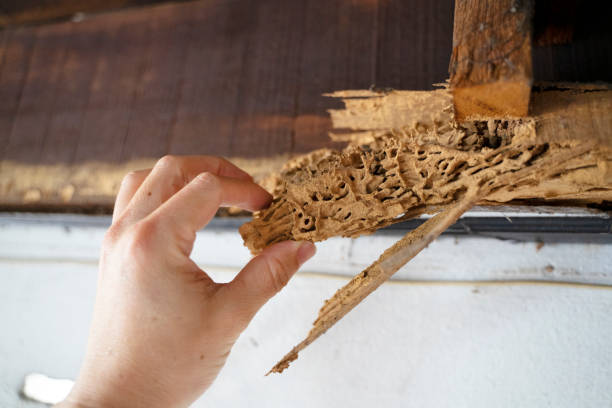
Understanding How Fumigation Works to Eradicate Termites Completely
Fumigation is one of the most effective methods for eradicating termites, especially when dealing with severe infestations. This process involves the use of gaseous pesticides, or fumigants, to eliminate termites in all stages of their lifecycle. Here’s an in-depth look at how fumigation works and why it remains a reliable choice for termite control.
Key Steps in the Fumigation Process
- A licensed pest control professional inspects your property to confirm termite infestation and assess its severity.
- The inspection identifies areas where termites are active and determines whether fumigation is necessary.
- The building is sealed off using tarps or other materials to create an enclosed environment where fumigants can work effectively.
- Occupants, including pets and plants, are evacuated for safety.
- A specialized fumigant gas (e.g., sulfuryl fluoride) is released into the sealed structure.
- The gas penetrates walls, floors, ceilings, and furniture to target termites in hidden spaces.
- The structure remains sealed for a specific duration (usually 24-72 hours), allowing the fumigant to reach and kill termites throughout the building.
- After treatment, professionals ventilate the structure by removing tarps and allowing fresh air circulation.
- Once all traces of fumigant gas have dissipated, home occupants can safely return.
Benefits of Fumigation
| Benefit | Description |
| Comprehensive Coverage | Targets termites deep within inaccessible spaces like inside walls or roofs |
| Effective on Severe Infestations | Quickly eliminates entire termite colonies without leaving survivors |
| Time-Efficient | Typically completed within 3-5 days |
| Residue-Free | Leaves no lasting chemicals or residue post-treatment |
Limitations of Fumigation
- Temporary Solution: Fumigation does not prevent future infestations; follow-up prevention methods are essential.
- Cost: As a comprehensive treatment, it may be more expensive compared to other localized options.
- Preparation Needs: Requires significant preparation by homeowners (removing food items, plants, etc.).
When Should You Opt for Fumigation?
- When there is evidence of extensive drywood termite infestations that cannot be addressed with spot treatments.
- When termite colonies have infiltrated structural elements such as beams or subflooring.
- For large-scale infestations that span multiple areas of a property.
Using professional fumigation services ensures that every stage—from planning to execution—is carried out safely and effectively. While it requires preparation on your part as a homeowner, its ability to completely rid your property of termites makes it an invaluable tool in pest control arsenals when combating severe infestations.

How a Pest Control Company in Davie FL Uses Termite Stations to Protect Your Home
Termites can cause significant structural damage to your home if left untreated. While fumigation is often used for severe infestations, termite stations are an effective long-term solution for ongoing prevention and monitoring. This approach focuses on creating a protective barrier around your property to intercept and eliminate termites before they can cause harm. Below, we’ll explore the critical role termite stations play in safeguarding your home.
What Are Termite Stations?
Termite stations are strategically placed devices designed to detect, monitor, and control termite activity around a property. These stations usually consist of two types: bait stations and monitoring-only stations.
- Bait Stations: Contain specially formulated bait that termites consume and share with their colony, leading to its eventual elimination.
- Monitoring Stations: Detect termite activity but do not contain bait. If termites are detected, these can be upgraded to bait systems as needed.
How Termite Stations Protect Your Home
- Early Detection
Termite stations allow for early detection of termite activity near your home. By identifying infestations before they reach your home’s foundation or wooden structures, they help prevent costly repairs. - Colony Elimination
Bait stations contain specialized compounds that disrupt the developmental process of termites or inhibit their ability to feed properly. Once consumed, the bait is shared among the colony members, including the queen, leading to a gradual collapse of the entire colony. - Long-Term Monitoring
Unlike fumigation—which targets active infestations—termite stations provide continuous protection by serving as an ongoing monitoring system for new termite activity year-round. - Reduced Chemical Use
Since termite bait targets specific colonies near the station, it significantly reduces the amount of pesticide introduced into the environment compared to widespread fumigation methods.
Placement and Installation
| Placement Area | Reason |
| Near Foundation | Intercept termites traveling toward your home’s base |
| Around Moisture-Prone Areas | Termites are attracted to damp conditions |
| In Gardens or Mulched Areas | Wood-based mulch serves as a potential food source |
Spacing between each station typically ranges from 10 to 15 feet depending on environmental factors such as soil type and termite species prevalent in the area.
Advantages Over Other Methods
- Cost-effective in preventing future infestations
- Minimal disruption compared to fumigation (no need to vacate premises)
- Safe for pets and humans when installed correctly
- Provides peace of mind with routine inspection reports from pest control professionals
Professional Maintenance Is Key
For optimal results, regular inspections by licensed pest control experts are essential. Professionals will check each station periodically to assess bait consumption levels and detect any signs of new activity. This proactive approach ensures that any potential threat is addressed promptly before it escalates into a larger problem.
By incorporating termite stations into a comprehensive pest management plan, homeowners can enjoy sustained protection against one of nature’s most destructive pests without resorting solely to reactive measures like fumigation or costly repairs after damage has occurred.
Effective Pest Removal Davie FL: How Termite Stations Offer Long-Term Solutions
Termite stations are among the most effective and sustainable solutions for addressing termite infestations. These systems are designed to monitor, control, and prevent termite activity over time, providing homeowners with long-lasting protection against these destructive pests. Below, we will explore how termite stations work, their advantages, and how they can serve as a proactive defense for your property.
What Are Termite Stations?
- Monitoring Devices: Used to detect termite activity in the soil.
- Bait Systems: Contain toxic bait that termites ingest and carry back to their colony.
Once termites consume the bait, it disrupts their growth or kills them outright, ultimately eliminating the colony.
Key Functions of Termite Stations
- Early Detection: Stations can identify termite activity before significant damage occurs.
- Colony Elimination: The toxic bait is carried back by worker termites to destroy the entire colony.
- Ongoing Monitoring: Regular inspections ensure that any new colonies or activity near your home are promptly addressed.
Advantages of Using Termite Stations
| Benefit | Explanation |
| Non-invasive | Installation doesn’t require drilling or structural alterations. |
| Environmentally Friendly | Baits use targeted toxins that minimize impact on non-target species. |
| Cost-effective | Long-term monitoring reduces the need for repeated treatments. |
| Preventative Protection | Helps avoid future infestations through continuous monitoring and control. |
How Are Termite Stations Installed?
- Assessment: A pest control specialist evaluates your property for signs of termite activity.
- Placement: Stations are installed at regular intervals around potential risk areas such as foundations or gardens.
- Regular Inspections: Technicians inspect stations periodically to replace baits and monitor any signs of new activity.
Maintaining Your Termite Station System
- Schedule inspections every 3-6 months with a licensed pest control professional.
- Replace bait regularly to keep it attractive to termites.
- Address environmental factors like moisture buildup that might encourage termites elsewhere on your property.
With routine care and attention, termite stations can remain an effective part of your home’s defense against pests for years.
When Should You Consider Termite Stations?
Termite stations are ideal in situations where prevention is key or when existing infestations are localized rather than widespread. They’re especially useful if you live in a region prone to termites or have experienced issues in the past.
By choosing termite stations as part of your pest management plan, you can protect your home from costly structural damage while promoting long-term peace of mind.
Fumigation vs. Termite Stations: Choosing the Right Approach for Your Termite Problem
When dealing with termite infestations, one of the most critical decisions homeowners face is whether to opt for fumigation or termite stations as an eradication or prevention strategy. Both methods are effective under specific circumstances but vary in their approach, cost, and long-term benefits. Understanding these differences can help you choose the right solution for your needs.
Fumigation: A Comprehensive Eradication Method
Fumigation is a process that involves sealing off your home and introducing a toxic gas designed to eliminate termites at all life stages. It is best suited for severe infestations where colonies have deeply invaded structural wood and other areas of your property.
Advantages of Fumigation:
– Thorough Elimination: Targets termites throughout the entire structure, including hard-to-reach areas like walls and flooring.
– Immediate Results: Provides rapid extermination, typically within a few days.
– One-Time Process: Often requires only one treatment for complete eradication.
Disadvantages of Fumigation:
– Temporary Solution: While effective at clearing active infestations, it does not prevent future termite problems.
– Costly Process: Can be expensive due to the specialized equipment and labor involved.
– Inconvenience to Homeowners: Requires vacating the property for several days and preparing sensitive items beforehand (e.g., food and plants).
Termite Stations: A Preventative & Long-Term Solution
Termite stations are strategically installed baiting systems designed to monitor termite activity and eliminate colonies over time. They are ideal for ongoing protection against termites or addressing less severe infestations.
How They Work:
1. Bait stations are placed around your home’s perimeter in areas where termite activity is likely.
2. Termites feed on the bait, which contains slow-acting pesticides that spread throughout their colony. 3. The colony gradually collapses as more termites consume the poisoned bait.
Advantages of Termite Stations:
– Long-Term Protection: Continually monitors and protects against future infestations when properly maintained. – Environmentally Friendly Options: Many baits use targeted pesticides with minimal impact on non-target species. – Non-Invasive Installation: No need to vacate your home during installation or servicing.
Disadvantages of Termite Stations:
– Slower Results: Unlike fumigation, bait systems work over weeks or months as they target colony members gradually. – Ongoing Maintenance Costs: Regular inspections by professionals are required to ensure effectiveness. – Limited Scope for Severe Infestations: May not be sufficient alone if an infestation has already spread extensively within the structure.
Key Factors to Consider When Choosing Between Fumigation and Termite Stations
| Factor | Best Option | Why |
| Severity of Infestation | Fumigation | Quickly eliminates widespread damage caused by large colonies hiding deep within structures. |
| Prevention Needs | Termite Stations | Provides sustained defense against future infestations through proactive monitoring systems. |
| Budget | Termite Stations | Generally more affordable upfront but requires ongoing service fees over time. |
| Convenience | Termite Stations | Less invasive with no need to vacate your home during treatment cycles. |
Combining Both Methods
In some cases, a combined approach may be necessary. For example:
1. Use fumigation initially to eradicate an existing infestation completely. 2. Install termite stations afterward as a preventive measure to avoid reinfestation.
By consulting with pest control professionals, you can develop a tailored plan that addresses both immediate concerns and long-term protection needs effectively.
- Key Factors to Consider When Choosing Davie FL Pest Control for Termite Inspections
- Understanding Pest Removal in Davie FL: What Happens During a Professional Termite Inspection Process
- Effective Pest Control Solutions with an Exterminator Davie FL: Fumigation and Termite Stations Explained
- How to Choose the Right Pest Control Company Davie FL for Effective and Reliable Protection
- Key Factors to Consider When Choosing Davie FL Pest Control Services
- Identifying Termites and Their Activities with Davie FL Pest Control for Early Intervention
- Finding the Best Pest Control Company Davie FL for Effective Termite Inspections
- The Complete Guide to Termite Inspections by a Pest Control Company in Davie FL: Protect Your Property Effectively
- The Ultimate Guide to the Sentricon System and How a Pest Control Company Davie FL Can Prevent Termites
